
Bohol’s 2026 Marine Wildlife Ordinance: What Changes
Bohol has a new rulebook for wildlife tourism. Here is what it covers, and what you still need to check locally.
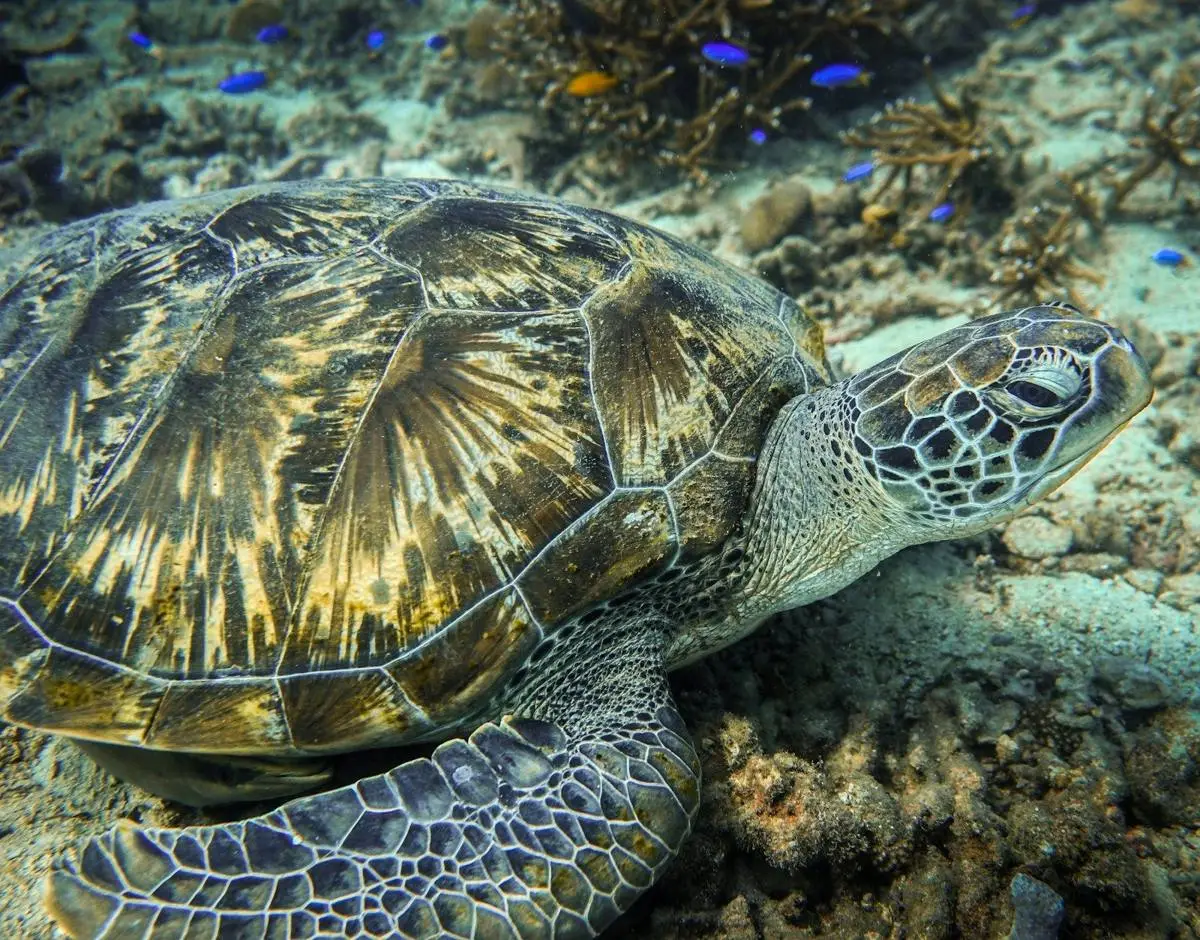
Picture a small boat off Balicasag in the morning, ten snorkellers in the water and one turtle trying to reach the surface to breathe. Bohol now has a new rulebook for moments like this. In May 2026, the provincial government announced the Implementing Rules and Regulations for Provincial Ordinance No. 2026-004, the Enhanced Sustainable Marine Wildlife Interaction Ordinance. The ordinance was approved on 19 March 2026, and Governor Aris Aumentado signed its rules on 27 April 2026, through Executive Order No. 18, series of 2026.
The reason is a familiar one. Wildlife tourism can bring money and attention to a place. But encounters without rules can put pressure on the very animals and habitats people travel to see.
What does the Bohol marine wildlife ordinance cover?
According to the provincial government, the measure covers interactions with whale sharks, dolphins and other cetaceans, sea turtles and giant clams, among other marine wildlife. Its framework for putting the rules into practice points to local plans, designated interaction areas, supporting ordinances, and required training, certifications and permits. The province says the rules follow a strict "No Permit, No Operation" policy and prohibit feeding, touching and harassing marine wildlife. They also set seasons: interaction with whale sharks and manta rays only from November to May, and with dolphins, sea turtles and other cetaceans all year round.
This matters for anyone planning a Bohol trip. Panglao and Balicasag are not only postcard backgrounds. They sit within the Panglao Island Protected Seascape, where wildlife, guides, residents, boat crews and visitors all share the same water.
What should visitors do with this news?
The announcement tells us that local rules are getting stronger. It does not replace the instructions for each specific site. Rules can change, so check locally.
Before you book an activity, ask the operator which permits apply. Ask what the interaction rules are. And ask what the guide does when an animal changes direction or leaves.
A regulation helps only when we understand its real wording and how it is applied on the water. When I checked in October 2026, the full text of the ordinance and its rules was not published online, so everything here comes from the provincial government’s own announcements. Check the current rule with the provincial environment office or the local tourism office before you go.
The bigger picture for turtles, dolphins and clams
A turtle sighting can be a lovely moment. It is not an invitation to grab a flipper, block the animal’s path or turn the reef into a selfie queue. Better rules are a start. How every boat and every swimmer behaves still matters.
I am glad Bohol is bringing marine wildlife interaction into the policy conversation. The next thing I hope to see is clear, practical guidance that reaches visitors before they get in the water.
Our Bohol, Panglao and Balicasag overview in the Ocean Atlas gives the destination context. Please confirm the current local rules before any wildlife trip.
Wildlife encounters are unpredictable. Snorkelling with turtles or watching dolphins should always follow local regulations and experienced professional guidance.
Questions people ask
What is the 2026 Bohol marine wildlife ordinance?
It is Provincial Ordinance No. 2026-004, the Enhanced Sustainable Marine Wildlife Interaction Ordinance, approved on 19 March 2026. Its Implementing Rules and Regulations were signed on 27 April 2026 and announced by the provincial government in May 2026.
Which animals does it cover?
The provincial government says it covers whale sharks, dolphins and other cetaceans, sea turtles and giant clams, among other marine wildlife.
Do the same distance rules apply everywhere?
Do not assume so. Rules may be different for each species and site unless the local authority says otherwise. Ask your operator and check locally, because rules can change.
What should I ask before booking a wildlife activity?
Ask which permits apply, what the interaction rules are, and what the guide does when an animal changes direction or leaves.
Wildlife encounters are never guaranteed and never forced. Ocean Calling works only with vetted, ethical local operators, and every animal is free to approach, or not, entirely on its own terms.
Sources & further reading
- Provincial Government of Bohol, 1 May 2026. Bohol strengthens marine wildlife protection through enhanced ordinance IRR (Provincial Ordinance No. 2026-004).
- Provincial Government of Bohol, 5 May 2026. Bohol rolls out new rules for sustainable marine wildlife tourism operations (IRR of Executive Order No. 18, series of 2026).
Further reading on Ocean Calling: Philippines in the Ocean Atlas · Ethical wildlife encounter decisions · Responsible turtle snorkelling · Balicasag marine sanctuary
Find the retreat that fits you
Small groups of up to six guests, unhurried days and local experts. Tell us how you feel in the water and we will point you to the right trip.