
Yelkouan shearwater
Puffinus yelkouan
Yelkouan shearwaters skim low over the Mediterranean in their own time, and no sighting is ever a promise.
Vulnerable (IUCN, 2018) means it faces a high risk of extinction in the wild. Its population is small and has declined, and it is hit by introduced predators and fishing bycatch.
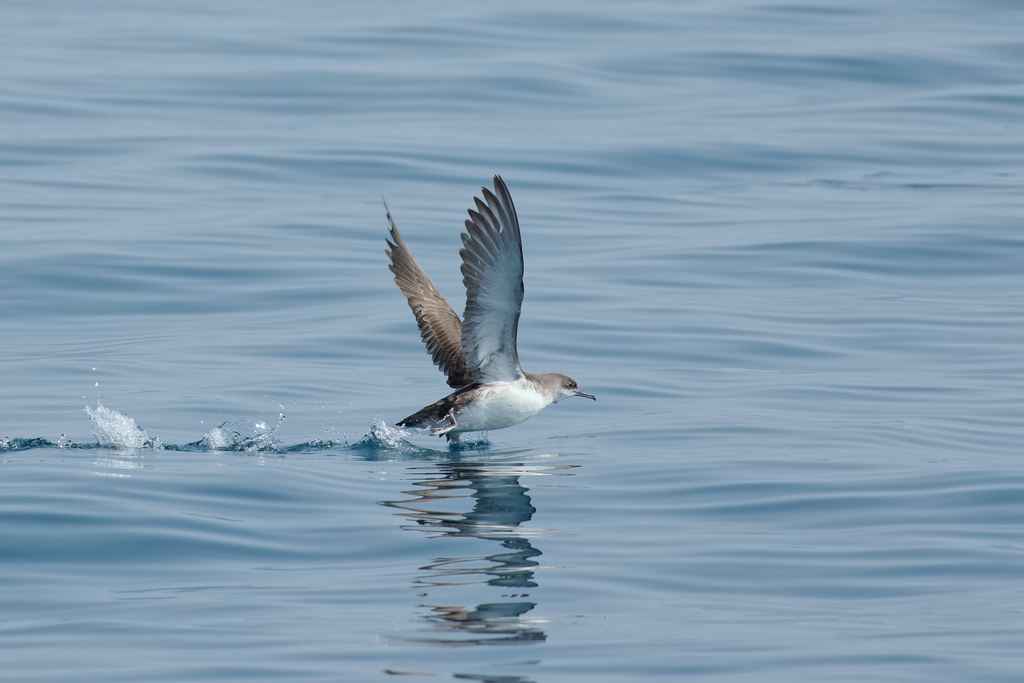
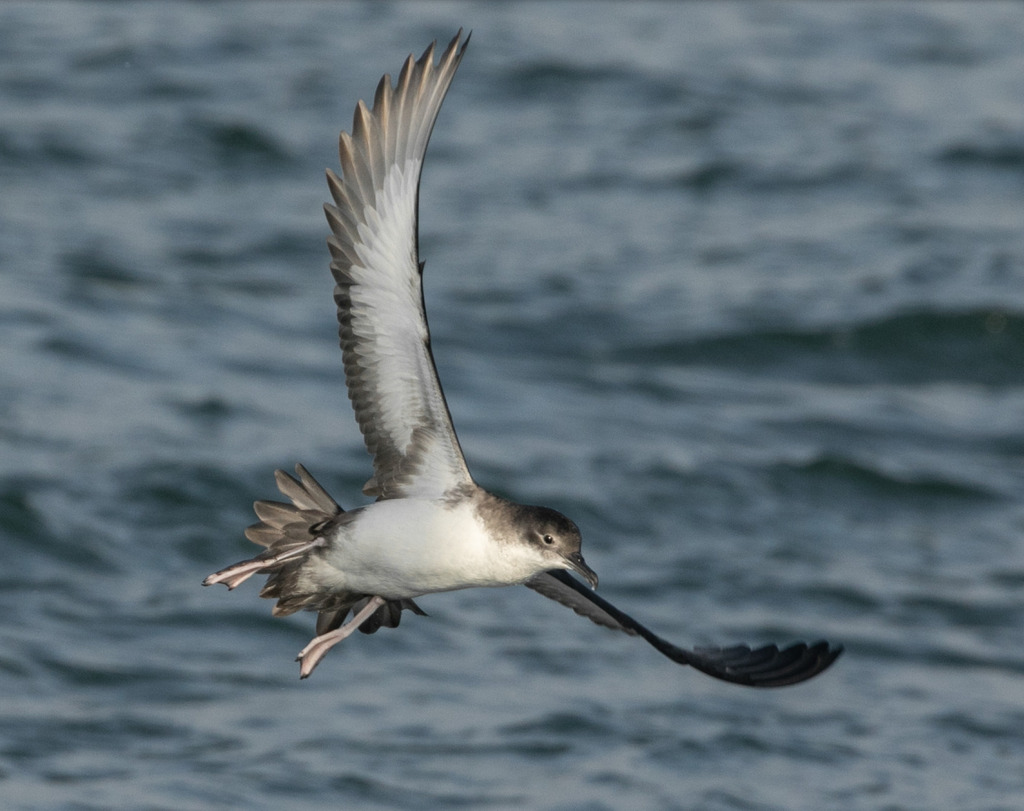
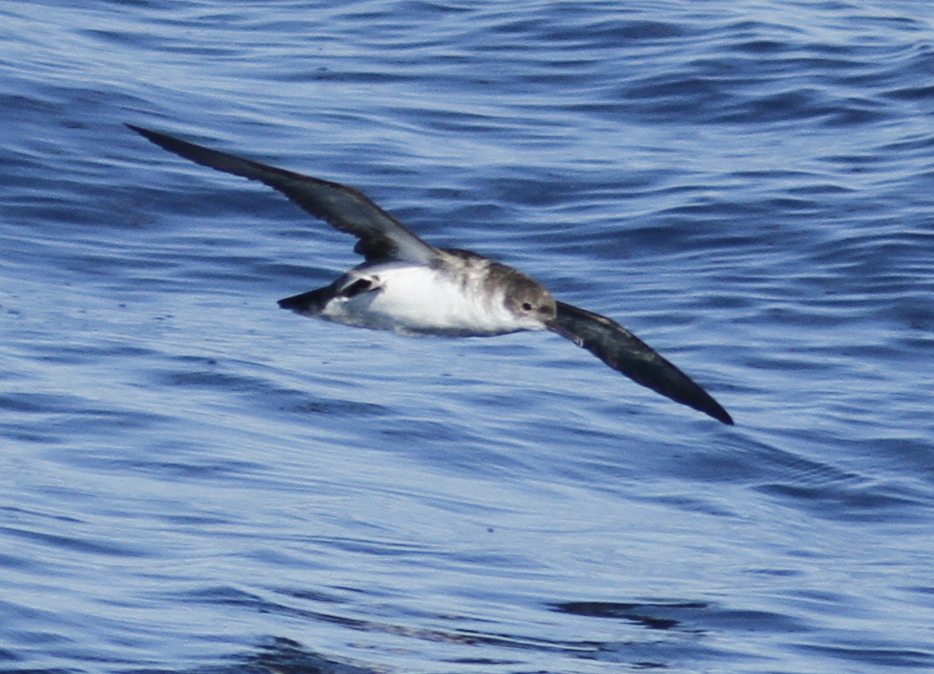
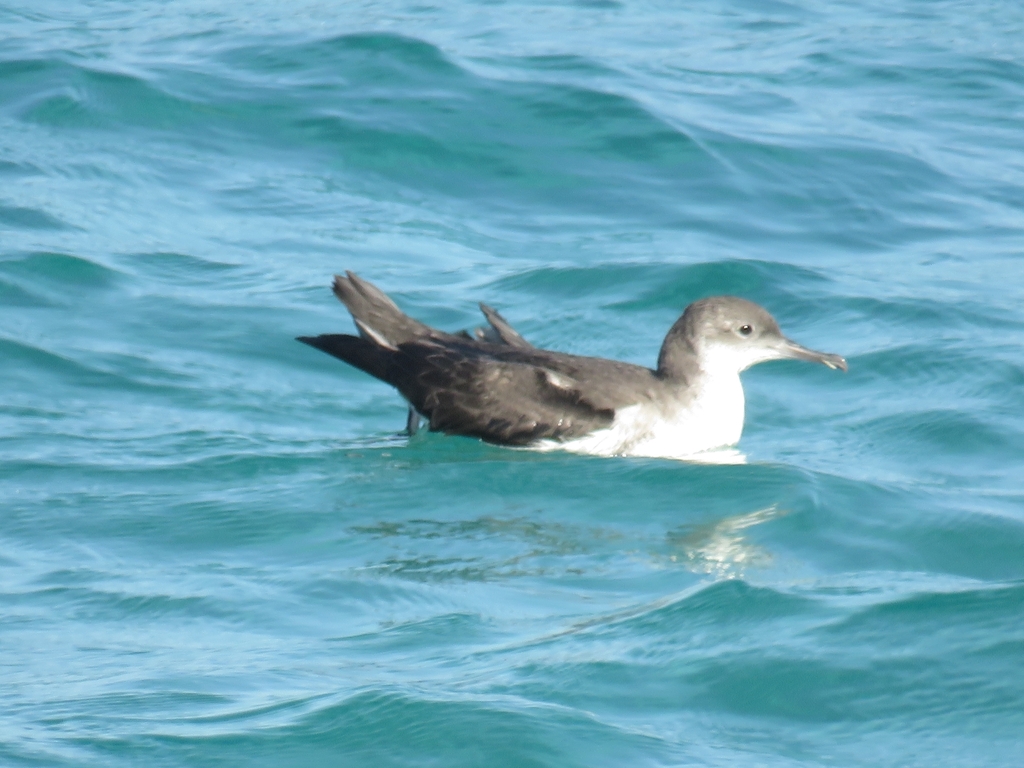
Photos show the species, not always the places on this page.
Length
About 30 to 39 cm (12 to 15 in) long; wingspan about 70 to 90 cm (28 to 35 in). Sources differ: Wikipedia gives 30 to 35 cm and CIESM gives 34 to 39 cm
Weight
About 330 to 480 g (12 to 17 oz) (CIESM). SeaLifeBase gives a maximum of 420 g (15 oz)
Next to a person
Body about as long as an adult forearm and hand, with a wingspan about as wide as a person's shoulders to fingertips of one outstretched arm, and about as heavy as a large apple or two
What it eats
Small shoaling fish such as anchovy, sardine and sprat, plus squid, small crustaceans and fishing discards (CIESM). Wikipedia notes that it follows fishing boats when offal is thrown. SeaLifeBase describes pursuit plunging and pursuit diving.
Around people
Calm, give space
How it lives
Yelkouan shearwaters nest in burrows on islands and coastal cliffs, visiting only at night to avoid gulls. Breeding is from March to May, with a single egg each year (CIESM). A 2008 paper in Oryx identified 75 islands in 10 countries as certain or possible breeding sites. They are gregarious and can be seen in large groups from boats or headlands.
Where it goes
After breeding, many yelkouan shearwaters move to the eastern Mediterranean and the Black Sea, while some stay in the Mediterranean all year (CIESM). Wikipedia adds that small numbers enter the Atlantic in late summer. Breeding colonies run from the Marseille islands in France to Bulgarian islands in the Black Sea.
We only draw a journey on the map when scientists have tracked it or clearly documented it. For this animal we have not found one yet.
Populations
Vulnerable (IUCN, 2018). Wikipedia says it was raised to Near Threatened in 2008 and Vulnerable in 2012, after research showed it was rarer than believed. CIESM gives 21,000 to 36,000 pairs, or 46,000 to 92,000 individuals. A 2008 Oryx paper argued that older estimates were probably too high and that the true global total could be only 5,899 to 9,409 pairs based on confirmed sites. It reported documented declines of 12 to 50 percent. Threats named include cats and rats on breeding islands, fishing bycatch, tourism and coastal development, and, per CIESM, urban light and marine pollution.
Meet it respectfully
Watch from shore, headlands or a boat that keeps its distance and lets the birds move off. Never chase, touch, feed or bait shearwaters. Introduced cats and rats are a main threat on breeding islands, so take no pets and leave no food waste on islands. Keep lights low near colonies at night, as artificial light is listed as a cause of deaths. Follow your guide and any local rules. Sightings are never promised.
Fun fact
Tap the bulb to light it up.
It was formally described in 1827 from specimens collected in the Bosphorus.
It was once treated as a subspecies of the Manx shearwater.
It visits its burrows only at night, which helps it avoid large gulls.
Yelkouan shearwater in the Ocean Atlas
Places we have researched where this animal is recorded. It is never guaranteed, and some places are for watching from the boat only.
Travel with usComing soonTrusted referralExploringOn pause, story onlyEthics pass
Country colour: pink where we travel, blue where we are exploring or refer, grey for story only.
 Albania
 Croatia
 Cyprus
 France
 Georgia
 Greece
 Israel
 Italy
Italy Malta
Malta Morocco
 Portugal
 Romania
 Russia
 Slovenia
 Spain
Spain Tunisia
 Türkiye
 Ukraine
 United Kingdom
Sources for this page
- Wikipedia, Yelkouan shearwater
- CIESM, Mediterranean Seabird Guide, Yelkouan shearwater
- Oryx (Cambridge University Press), 2008
- SeaLifeBase, Puffinus yelkouan
- GBIF, IUCN Red List category (BirdLife International, 2018)
Facts checked 5 October 2026. Photos: Unsplash licence, or Creative Commons as shown on each photo.
Work in ocean travel?
We are always happy to hear from exceptional local operators, accommodation, conservation organisations and destination experts. If your work fits responsible, small-group ocean travel, we would love to learn more.
Partner with Ocean CallingNot sure where to go? Get your Ocean Match
from CHF 19