
Who Still Hunts Whales? Norway, Japan, the Faroes, Iceland
You are in a small harbour restaurant somewhere in the north. The menu is in a language you cannot read, and one short word sits between the fish dishes: hval. It means whale. So who still hunts whales today? Norway, Japan, the Faroe Islands and Iceland, and each one does it under different rules. Here are the facts, told calmly, because knowing is where choosing begins.
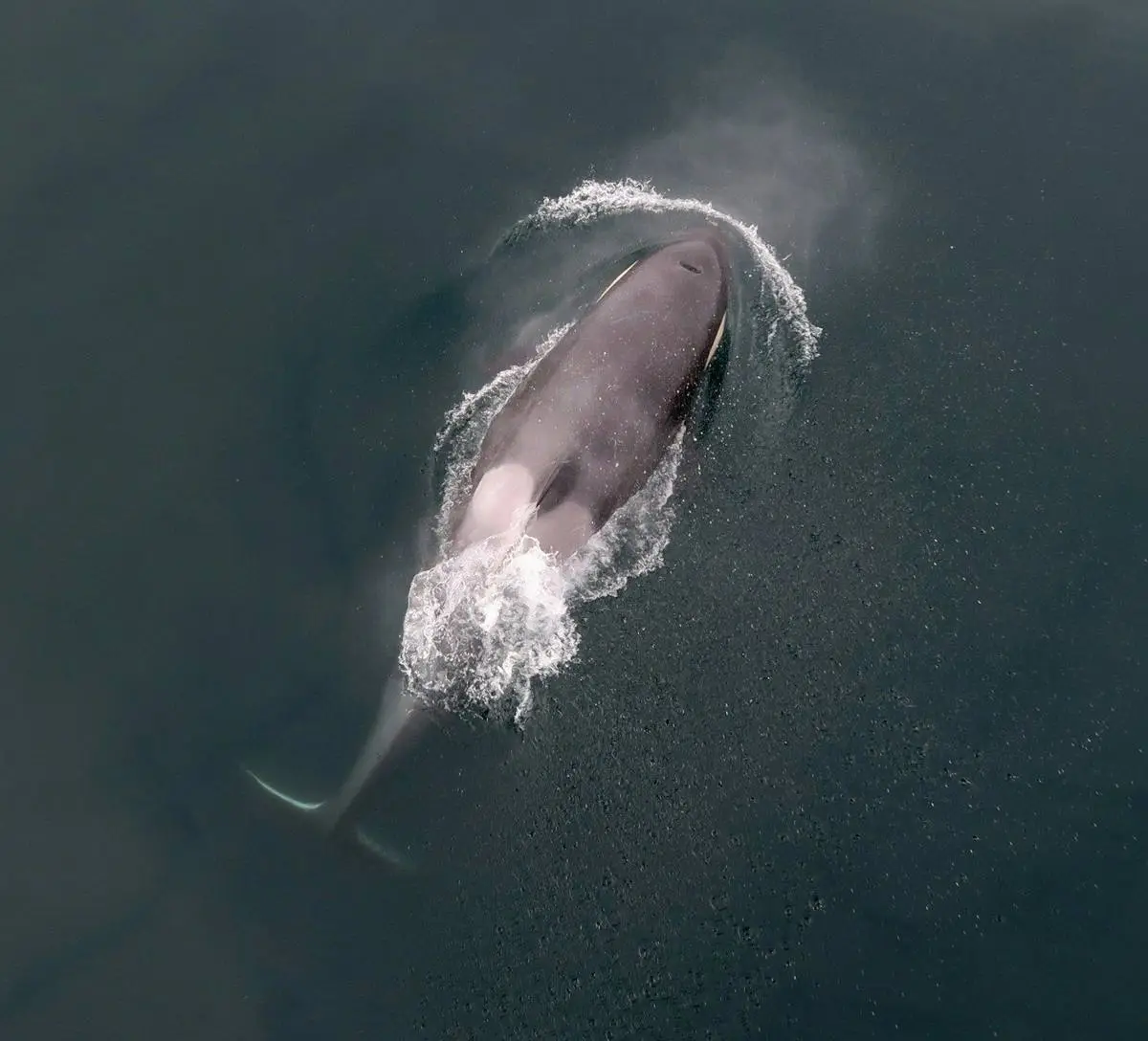
The short answer is four places, and no two are alike. Norway and Japan hunt commercially. The Faroe Islands hold a community hunt of pilot whales and dolphins. Iceland has just started again. I also want to be open with you: Norway, Japan and the Faroe Islands are places we do not promote ourselves, and this is the main reason why.
Let us go country by country, in plain words, and then look at what a traveller can really do. Where I am not sure of something, I will tell you.
How can a whaling ban exist and still not apply?
This is the part that confuses most people. In 1986 the International Whaling Commission brought in an indefinite moratorium on commercial whaling. But the commission can only bind the countries that accept its decisions, and three countries found three different ways around it. Norway filed a formal objection to the moratorium, so it is not bound by it. Iceland left the commission in 1992, rejoined in 2001 with an objection, and went back to commercial hunting in 2006. Japan left the commission in 2019 and restarted commercial whaling in its own waters, which closed about thirty years of what it called research whaling.
Sources do not fully agree on the year Norway first objected, so I will not give you a date for that. The main point stays simple: the moratorium is real, and it is also not universal.
Norway sets its own number
Because of its objection, Norway decides its own quota. For 2026 that quota is 1,641 common minke whales, up from 1,406 in 2025. Officials call the rise mostly administrative, because quota left unused in earlier seasons is carried forward. Real catches are usually far below the quota: in 2025, ten vessels took part and 429 whales were killed, according to the reports I found.
Japan left the table
After leaving the International Whaling Commission in 2019, Japan began commercial whaling in its coastal waters and its exclusive economic zone. Later it added fin whales, a much bigger species than the others, to its list. Japan’s Fisheries Agency reviews its catch limits every six years, and the 2025 allocations I found for sei, fin, Bryde’s and minke whales add up to 413 animals. That total is my own sum of the agency’s published figures, so please check the agency’s current page if you need exact numbers.
Not every source shows the same figures. One website still lists the older quotas from before the review, so I left it out. If you see a different total somewhere else, that is probably why.
The Faroe Islands and the grind
In the Faroe Islands there is a community hunt called the grindadráp, often shortened to “the grind”. Pods of pilot whales and Atlantic white-sided dolphins are driven into shallow bays and killed on the shore. It depends on chance: it happens when a pod swims close enough to land, and most hunts fall in summer.
The first grind of 2026 took place on 4 May near Sándavágur, where more than 125 pilot whales and several white-sided dolphins were killed. Sea Shepherd, which documents the hunts, reports about 996 pilot whales and dolphins killed in 2025, while another report says more than 1,000. The exact total depends on who is counting. Critics also say that some very small animals and unborn calves are left out of the official counts. That is their claim, and I could not check it independently.
Two more details matter here. For decades, Faroese health authorities have warned that pilot whale meat and blubber carry high levels of mercury and other pollutants, and a 2012 paper by the chief physician and the national health director concluded that the meat should no longer be seen as suitable for regular eating. Then came a legal fight. News and campaign reports say Faroese police took up a complaint about a 2024 hunt, and that in 2026 the Faroese parliament changed the animal welfare law so that hunting falls outside it. I could not find the official texts, so I give no details of the charges or the law here. The whalers’ association welcomed the change, while the government is reported to say the hunts are still regulated by their own grind laws. How this will settle is not clear to me yet. For the current rule, check the pages of the Faroese parliament and government.
Pilot whales are close to our hearts. Meeting a pod of around fifteen pilot whales shaped how Ocean Calling thinks about wildlife tourism: with humility. That is why this part was hard to write, and why I still believe it belongs here.
Iceland, a chapter still open
In 2025, Iceland’s only fin whaling company cancelled its season. In June 2026 the hunt started again, and the first fin whales since 2023 were brought ashore. The 2026 quota is 150 fin whales and 168 minke whales, and the Marine and Freshwater Research Institute had advised a cap of 150 fin whales. The catches are legal under Icelandic law, because five-year permits were issued in 2023.
Perhaps you have read that Iceland banned whaling. It has not, at least not yet. The minister has said in public that commercial whaling is not in the public interest and that a law to end it would be put forward. I found no report confirming that such a bill has actually been introduced, so I cannot tell you where it stands. Please check the latest news before you travel.
What you can do as a traveller
The first step is very simple: do not order whale. In Norway, look for the word hval on the menu. In Japan, look for kujira. If you are unsure, ask. We wrote more about this in our guide to whale meat and what travellers find on menus.
The second step is to choose responsible whale watching. Every ticket for a respectful trip tells a community that a living whale has value. A good boat slows down, keeps its distance and lets the whale decide how the meeting ends. A roll-top dry bag keeps your phone dry on a boat day, so you can spend more of the time just watching. And a refill bottle from a simple tropical travel kit saves a lot of single-use plastic along the way.
If you visit these countries anyway, you can still travel kindly. You choose what you eat and who you pay, and those choices reach further than one meal. It is fair to be honest about travel itself too: flying north to watch whales has its own environmental cost, and fewer, slower trips are kinder than many quick ones.
The conservation layer
Whaling is about more than numbers. Whale and Dolphin Conservation and other groups say commercial whaling goes against the global conservation consensus, while governments describe their hunts as sustainable and regulated. Both views exist, and I try to report each one fairly. What I can say with confidence is this: living whales are worth more to coastal communities when people pay to watch them respectfully, and the rules change a lot from one coast to the next. We wrote about this in how to choose an ethical whale swim operator.
If this made you curious to share space with living whales yourself, you can read about our Moʻorea whale retreat in September 2027, where a small group of at most six guests observes humpbacks under local rules. Nothing is ever guaranteed, and guests can skip any activity. Wildlife encounters are unpredictable. Whale watching should always follow local regulations and experienced professional guidance.
Questions people ask
Which countries still hunt whales commercially?
Norway sets its own quota after objecting to the 1986 moratorium, and Japan went back to commercial whaling in 2019 after leaving the International Whaling Commission. Iceland also hunts under an objection; its only fin whaling company cancelled the 2025 season and started again in June 2026.
What is the grindadráp in the Faroe Islands?
It is a community hunt in which pilot whales and Atlantic white-sided dolphins are driven into shallow bays and killed on the shore. It happens when a pod comes close enough to land, mostly in summer. Sea Shepherd reports about 996 animals killed in 2025.
Has Iceland banned whaling?
No. Hunting started again in June 2026 under five-year permits issued in 2023, with a quota of 150 fin whales and 168 minke whales. The minister has said a law to end it would be put forward, but I found no confirmation that a bill has been introduced.
How do I avoid eating whale by mistake?
Look for hval on menus in Norway and kujira in Japan. If you are unsure, ask the staff what the dish contains.
Is whale meat safe to eat?
In the Faroe Islands, health authorities have advised for decades that people limit pilot whale meat and blubber because of mercury and other pollutants. A 2012 paper by Faroese health officials concluded it should no longer be seen as suitable for regular eating.
Is it wrong to visit these countries?
That is your choice. We do not promote Norway, Japan or the Faroe Islands ourselves, but if you go, you can still travel kindly by choosing responsible whale watching and never ordering whale.
Wildlife encounters are never guaranteed and never forced. Ocean Calling works only with vetted, ethical local operators, and every animal is free to approach, or not, entirely on its own terms.
Sources & further reading
- Japan Fisheries Agency. Whaling Affairs. jfa.maff.go.jp/e/whale
- Undercurrent News, 26 Nov 2024. Japan revises 2025 whaling quotas with higher minke limit, lower Bryde’s allowance. undercurrentnews.com
- Whale and Dolphin Conservation, 31 Mar 2026. How many whales will Norway hunt in 2026? whales.org
- Oceanographic Magazine, 2026. NGOs condemn Norway’s increased 2026 whaling quota. oceanographicmagazine.com
- Animal Welfare Institute. Norwegian whaling, a sinking industry. awionline.org
- Oceanographic Magazine, 2026. Over 125 pilot whales killed in Faroe Islands’ first grind of 2026. oceanographicmagazine.com
- Whale and Dolphin Conservation, 15 Sep 2025. Another hunt in the Faroes sees hundreds of pilot whales killed. whales.org
- Inside Climate News, 18 Jul 2026. What will it take to end the slaughter of dolphins in the Faroe Islands? insideclimatenews.org
- Sea Shepherd. Operation Living Fjords. seashepherdglobal.org
- IFAW, 2026. First fin whales killed as Iceland’s whaling industry resumes. ifaw.org
- OceanCare, 2026. Iceland resumes whaling. oceancare.org
- Environmental Investigation Agency. Keep the ban (history of the moratorium). reports.eia-international.org
Further reading on Ocean Calling: How to choose an ethical whale swim operator · Hvaldimir, the beluga of Norway · Why we wait when whale rules are still in progress
Swim with humpback whales in Moʻorea: an ethical whale retreat
Whale encounter retreat · Moʻorea, French Polynesia
Time in the blue, on the whales’ terms. If you love whales, this is our whale trip: small group, slow pace, on the animals’ terms.
Explore in the Ocean Atlas
Places in this article