Home / Retreats / Gili Air conservation courses
Gili Air, Lombok

Gili Air conservation courses

A calm island and a busy reef: conservation courses from one day to four weeks.

Gili Air is the quiet island. Here our partner PADI dive centre runs the conservation programmes: one day courses on turtles, sharks, coral, seahorses and sea slugs, then the one, two and four week programmes that teach you to survey a reef, build coral nurseries and artificial reefs, and read reef health. You dive inside the Gili Matra marine park with a small group. No touching, no chasing. Wildlife is a privilege, never a guarantee.

One day to four weeks, plus internships of 1 to 3 more monthsSix guests at mostFrom CHF 19
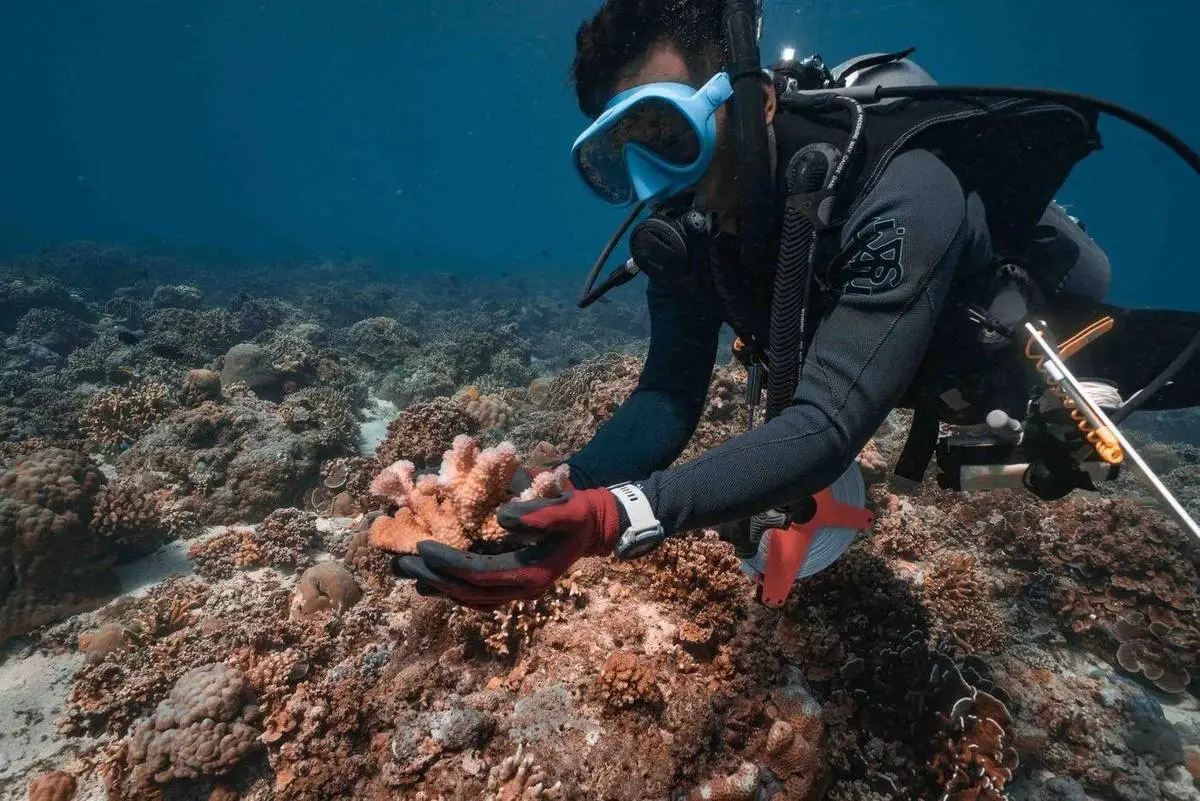
A diver replanting a coral fragment during a conservation dive
Photo: local dive centre, Gili Air
  • 5.00 from 33 public reviews on BookRetreats · Read guest stories
  • Small group, six guests at most
  • Conservation instructors at a PADI dive centre
  • Travel insurance required (water-activity cover from your own policy or the dive centre’s insurance)
  • Pause or skip any activity, any time
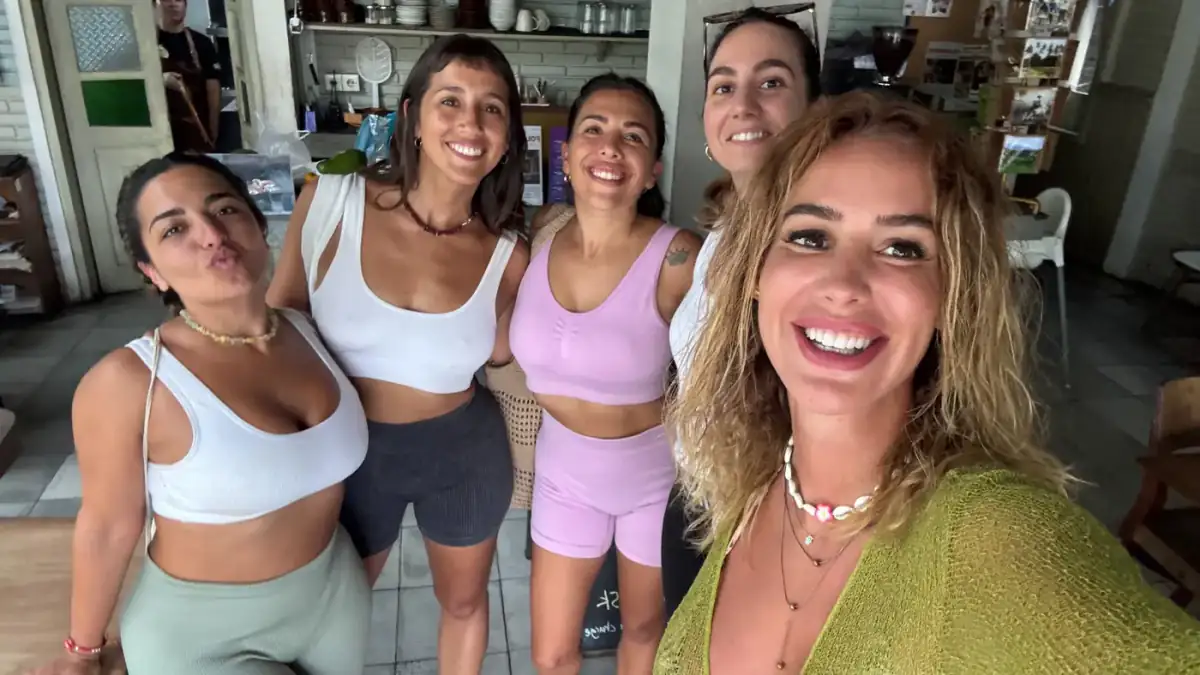
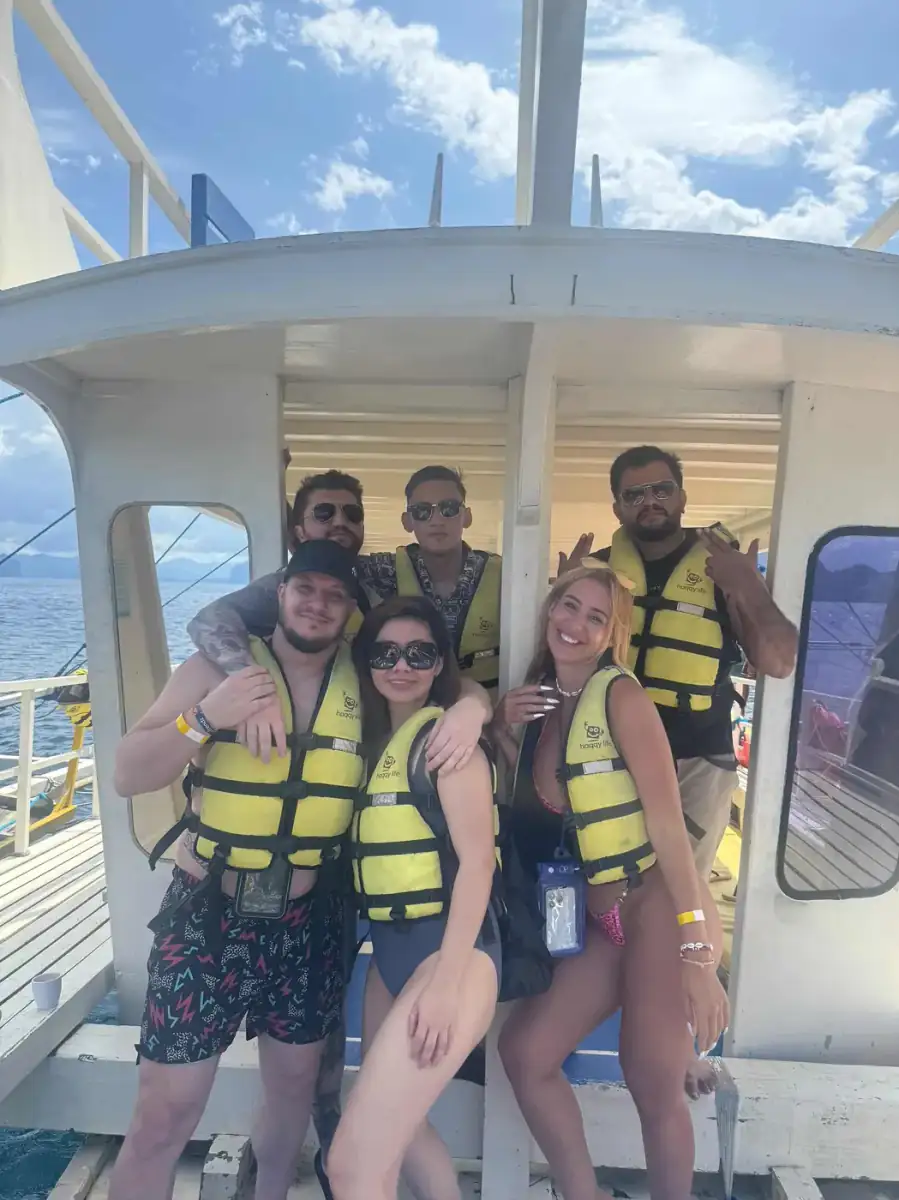
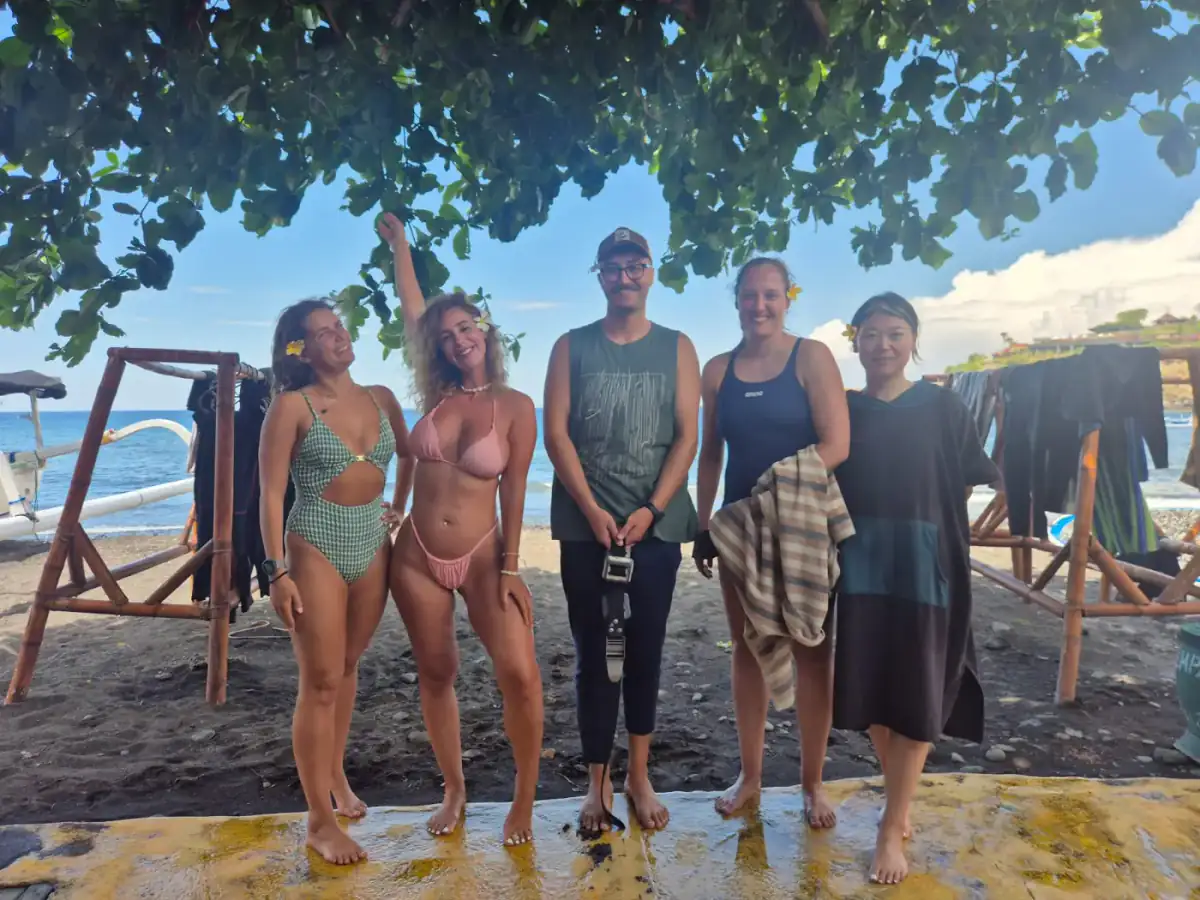
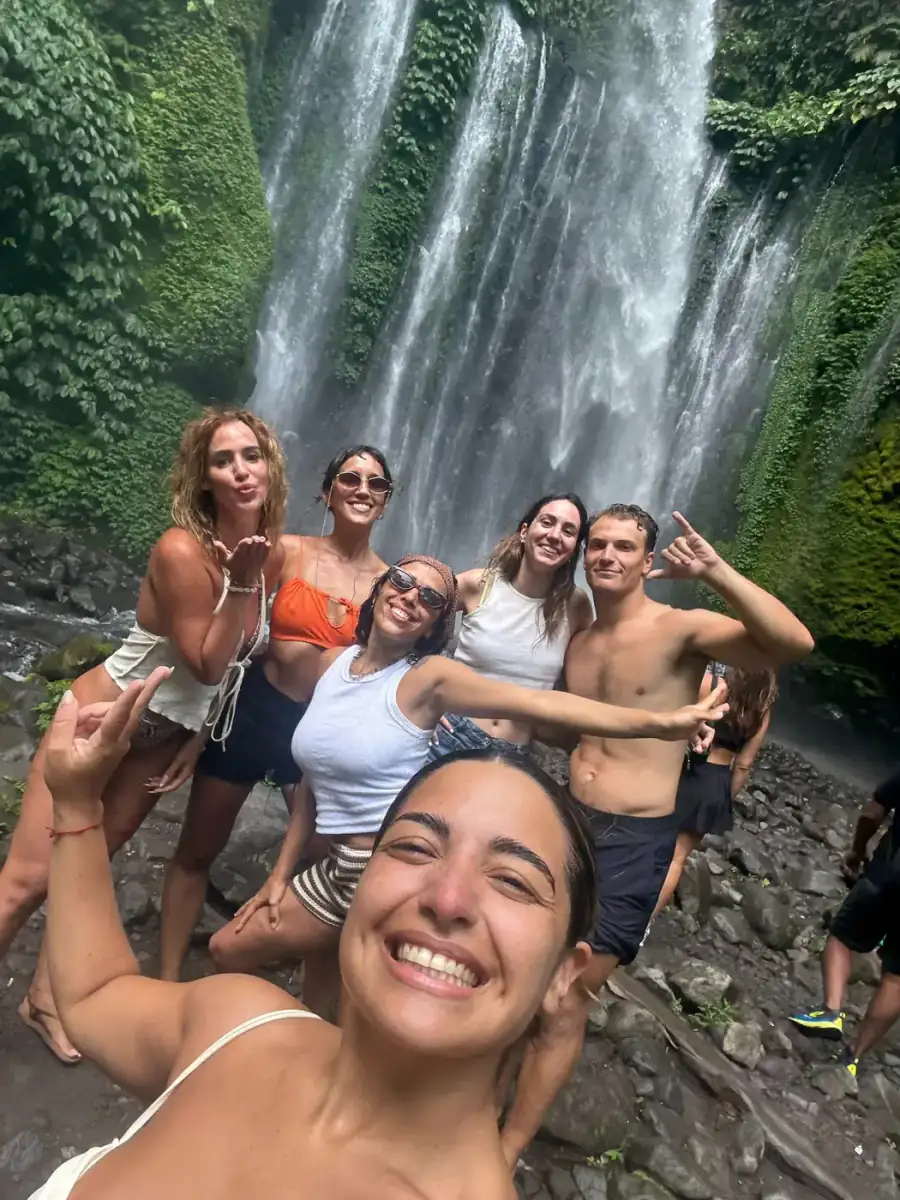
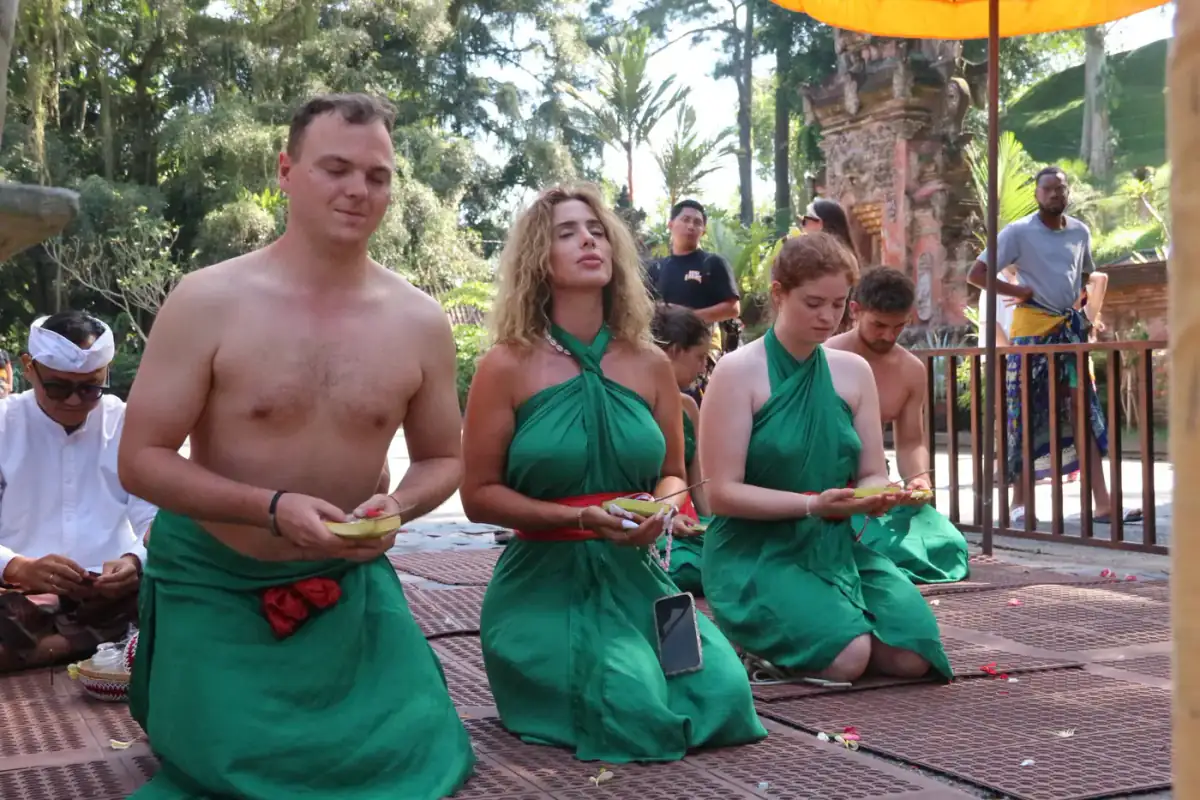
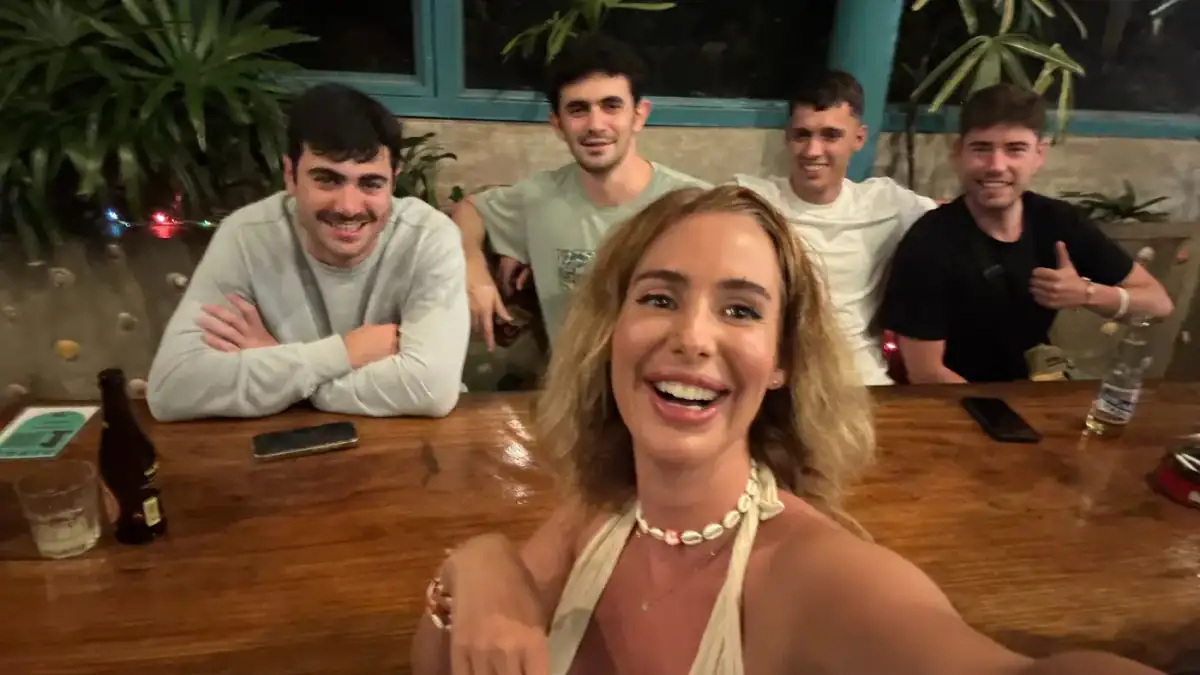
Guests laughing together in a kitchen after a morning on the waterA group of guests in life jackets on the boatGuests and a guide together on the beach after snorkellingGuests together at a waterfallGuests wearing matching green sarongs togetherRocío with guests around a table at the end of the dayReal guests on past trips

“Highly recommended! Rocio is an excellent guide and very knowledgeable about the best locations.”

Kimmy L., public review on BookRetreats, March 2026

“Joining Ocean Calling Retreats was honestly one of the most special travel experiences I’ve had. It’s so much more than just a trip — it’s a beautiful mix of adventure, connection, and time to truly reset.”

Wev C., public review on BookRetreats, March 2026

Quotes are copied as written from public reviews on BookRetreats. See all guest photos · Read all reviews

Check dates on WhatsAppSend an enquiry

At a glance

WhenAll year. Programmes start every month
LengthOne day to four weeks, plus internships of 1 to 3 more months
GroupSix guests at most
StayNot included
MealsNot included
CertificationOpen Water or Advanced Open Water for the one day courses, depending on the course
Water levelComfortable in the water and confident with your buoyancy
EffortModerate
LevelEasy
CHF 19Recommendation for a 1 to 3 day course
CHF 99Planned itinerary for 1 week to 1 month

The fee covers Rocío’s personal recommendation and planning. To pay, text Rocío on WhatsApp and she will tell you how.

Text Rocío to book and pay

Real guest reviews: Google · BookRetreats

Conservation-led. Ocean Calling guests never chase, touch or bait animals.

Why Easy? Warm water and many easy sites, but you need to be a certified diver with good buoyancy. Some shared sites, like Shark Point, can have strong current at depth.

Who it is for. Certified divers who want to understand the reef, not only look at it. No science background needed. Good for gap years, students of marine or environmental subjects, and dive professionals who want new skills.

New or a little nervous?

Your first day, step by step

  1. One day course: a lecture on the topic, a briefing, at least one dive to observe and record, then a debrief and data entry
  2. Your guide explains the plan and the signals before anything starts in the water.
  3. You choose your pace. You can pause, rest or skip any activity, at any moment, with no pressure to continue.
  4. Nobody chases, touches or baits an animal. The animals decide whether they come close.

Questions beginners ask

What if I feel nervous in the water?
That is very normal, and you are welcome here. Activities are adapted to your level and comfort. Tell your guide or Rocío, and you can pause, rest or skip an activity at any moment.
What if I cannot clear my ears?
Equalising is taught in small steps by your instructor, and nobody is asked to push through. If your ears will not clear, you rest, come up or skip that dive or descent.
Will I hold the group back?
Groups are small (six guests at most, and some trips are four), so the pace follows the group and nobody is rushed. Tell Rocío your level before you book, and she will tell you honestly if a trip fits.
Do I need to be fit or experienced?
Each trip page shows its level and what it asks of you. If you are not sure, take our short Is it for me? questions or message Rocío.

Highlights

  • Learn to identify green and hawksbill turtles and log them by photo-ID
  • Survey coral health and reef fish along a permanent transect line
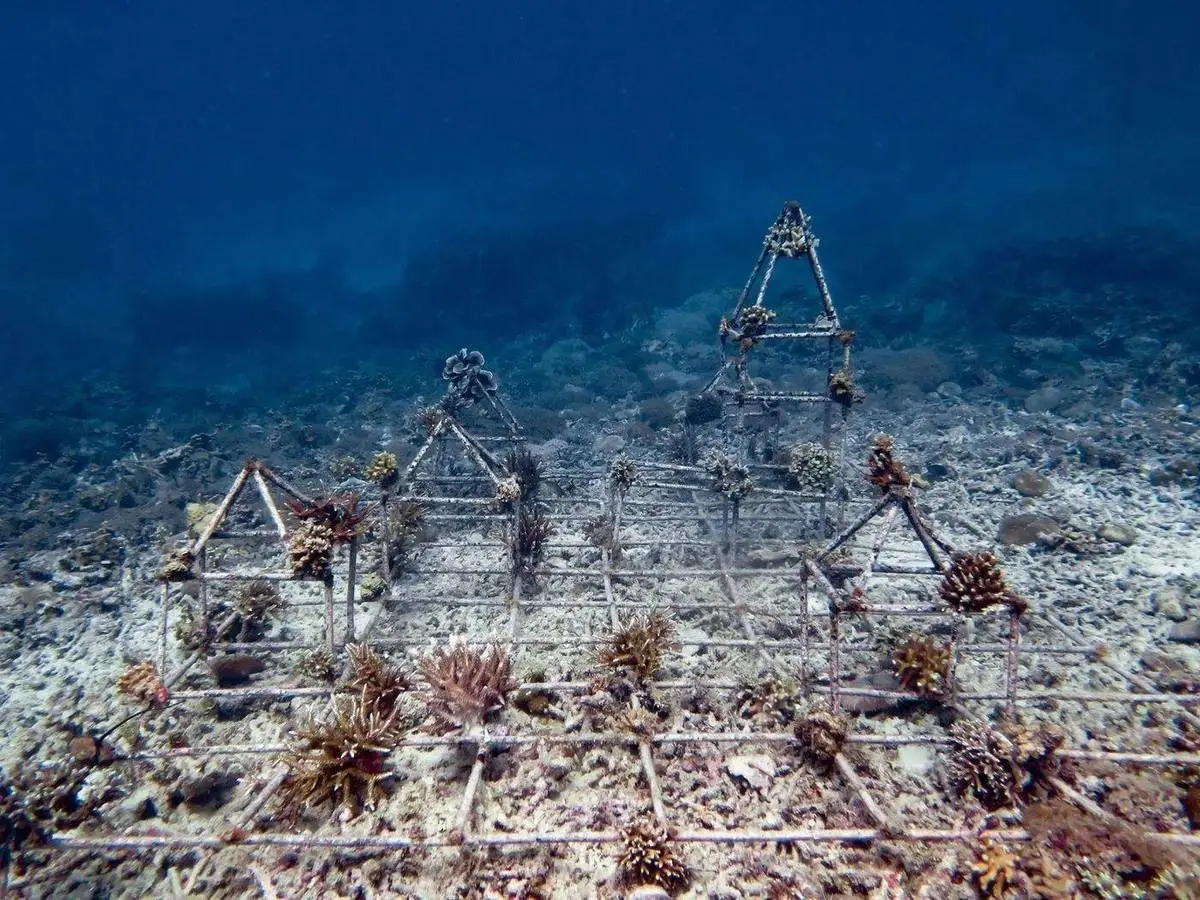
  • Help build and care for coral nurseries and artificial reef structures
  • Shark ecology: learn what reef sharks do on the reef and how they are monitored
  • Optional seahorse survey day on the Lombok coast, with data shared to a global seahorse database
  • Nudibranch and sea slug survey day
  • Earn conservation diver certifications you can use on every dive after this one

How the days work

  1. One day course: a lecture on the topic, a briefing, at least one dive to observe and record, then a debrief and data entry
  2. Week 1 on Gili Air (reef science week): each day starts with a lecture, then a dive to practise it: reef ecology, fish and invertebrate monitoring, coral health, marine debris and microplastics
  3. Week 2 on Gili Air (artificial reef week): learn restoration theory and techniques, then design, build and deploy a coral nursery and artificial reef structures
  4. Weeks 3 and 4 on Gili Air: advanced monitoring, including coral disease and reef health, nudibranch and seahorse ecology and ID
  5. Free time: walk or cycle the car-free island, sunset on the west coast, rest
Two islands, two moods

Gili Air or Gili Trawangan?

Both islands sit in the same protected marine park, 10 to 20 minutes apart by boat, with no cars and the same turtles. What changes is the mood on land.

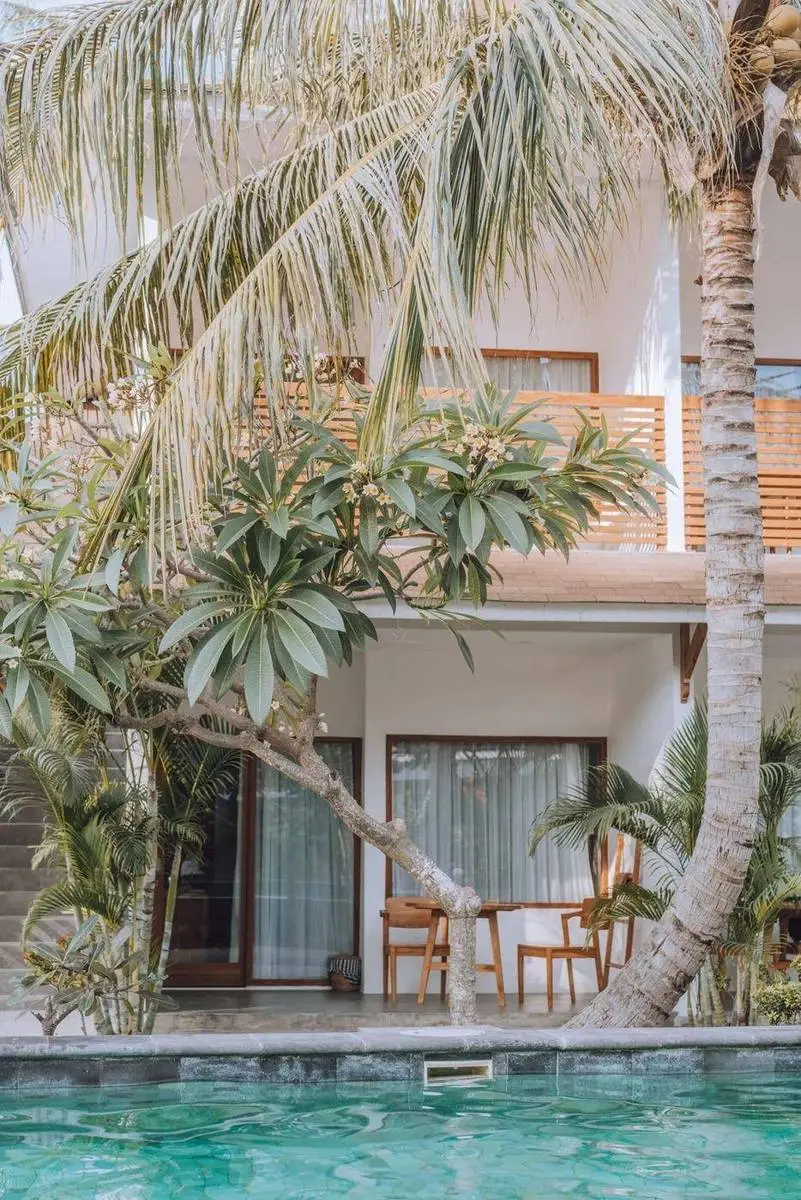
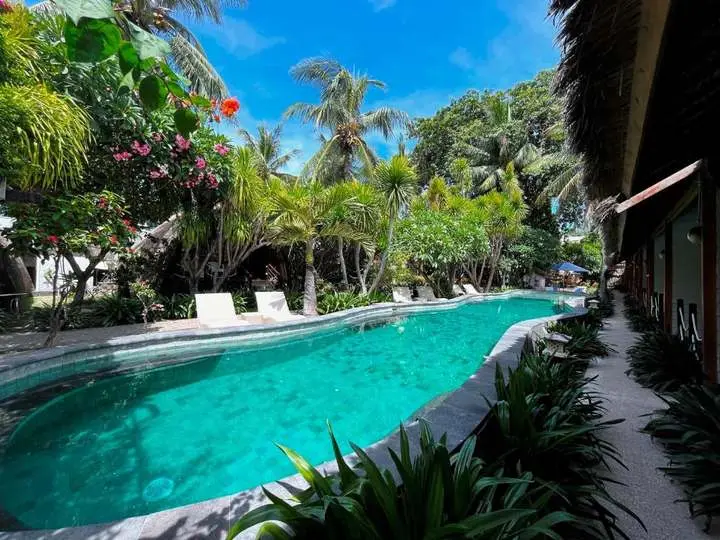
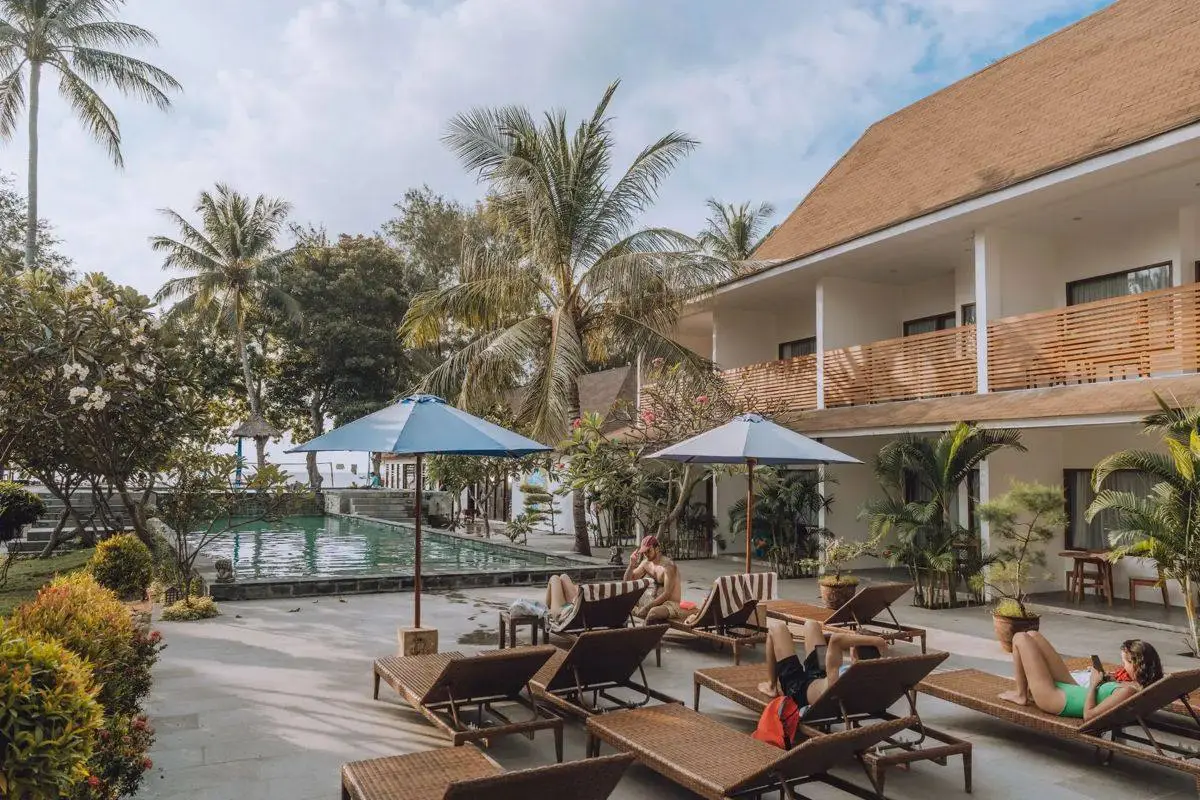
Palm trees and a turquoise pool beside white bungalows on Gili Air
Photo: local dive centre, Gili Air
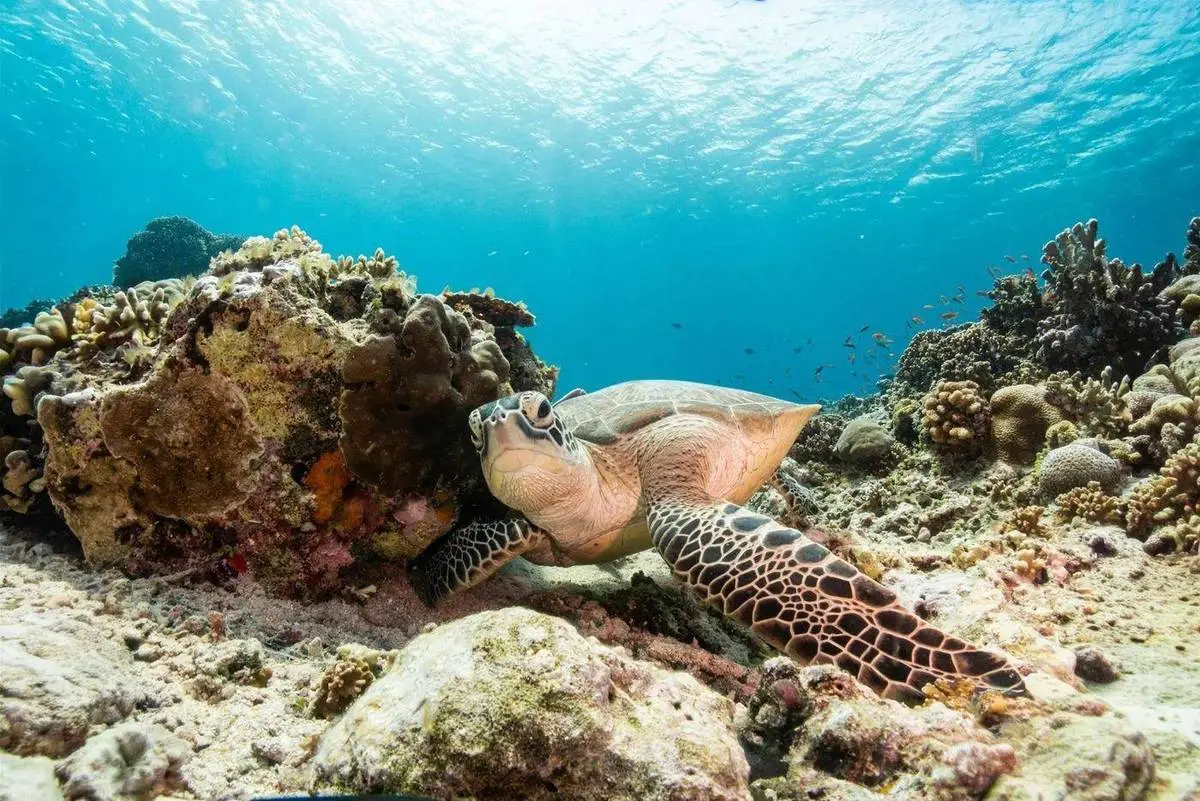
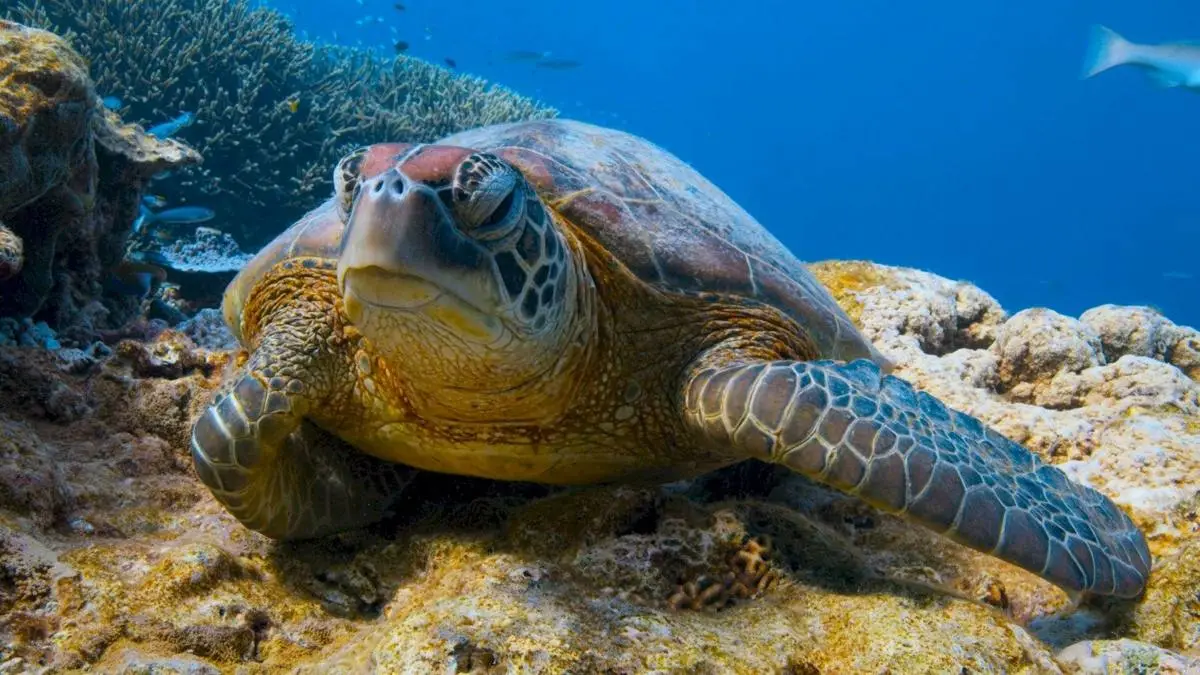
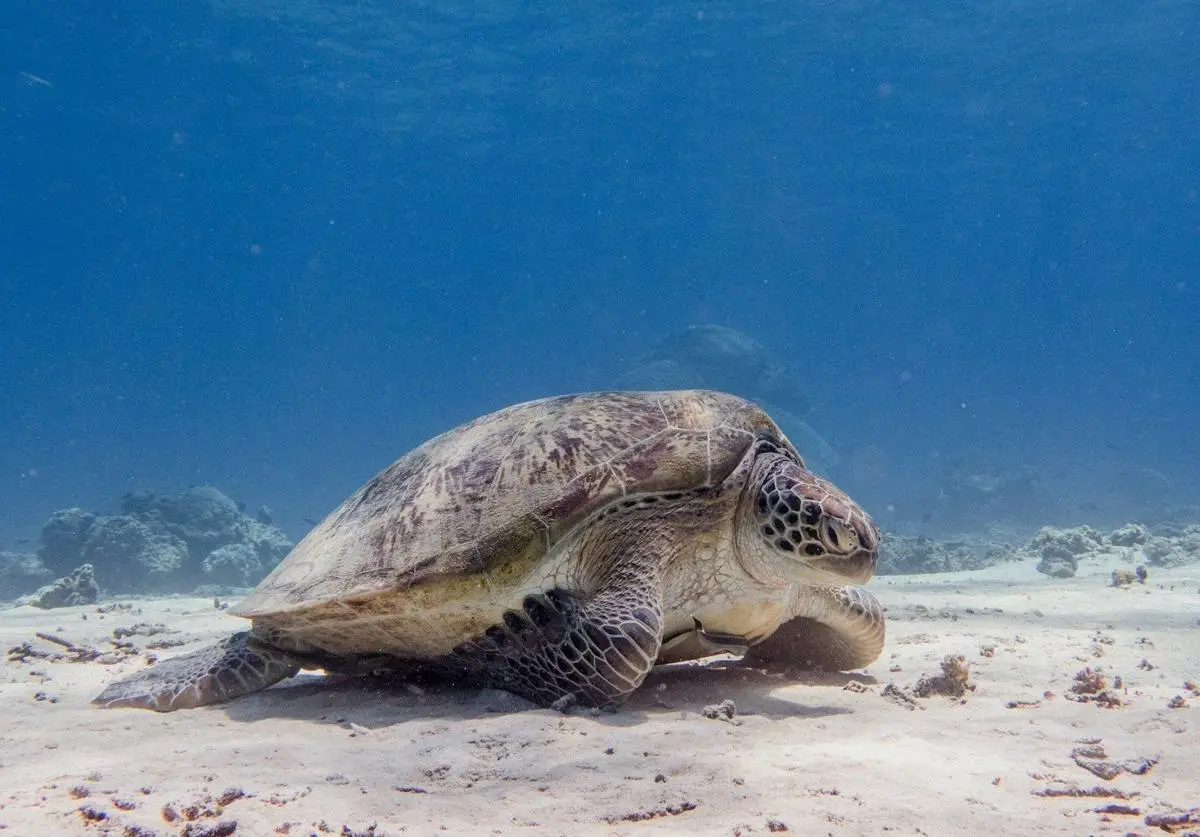
A green turtle resting on the reef off Gili Air
Photo: local dive centre, Gili Air
Coral nursery frames with young corals, Gili Air
Photo: local dive centre, Gili Air

Gili Air

Calm, village-like and slow

  • A relaxed bar scene and quiet evenings
  • The closest Gili to Lombok
  • The 1, 2 and 4 week reef programmes, plus one-day courses on turtles, sharks, coral restoration and nudibranchs, and a seahorse survey on the Lombok coast
  • Lunch on course days in the 2 and 4 week programmes
  • Stay in the village or on the quieter west coast
  • Fewer cash machines, so bring some rupiah

Choose Gili Air if you want calm evenings, a longer programme and a slower island rhythm.

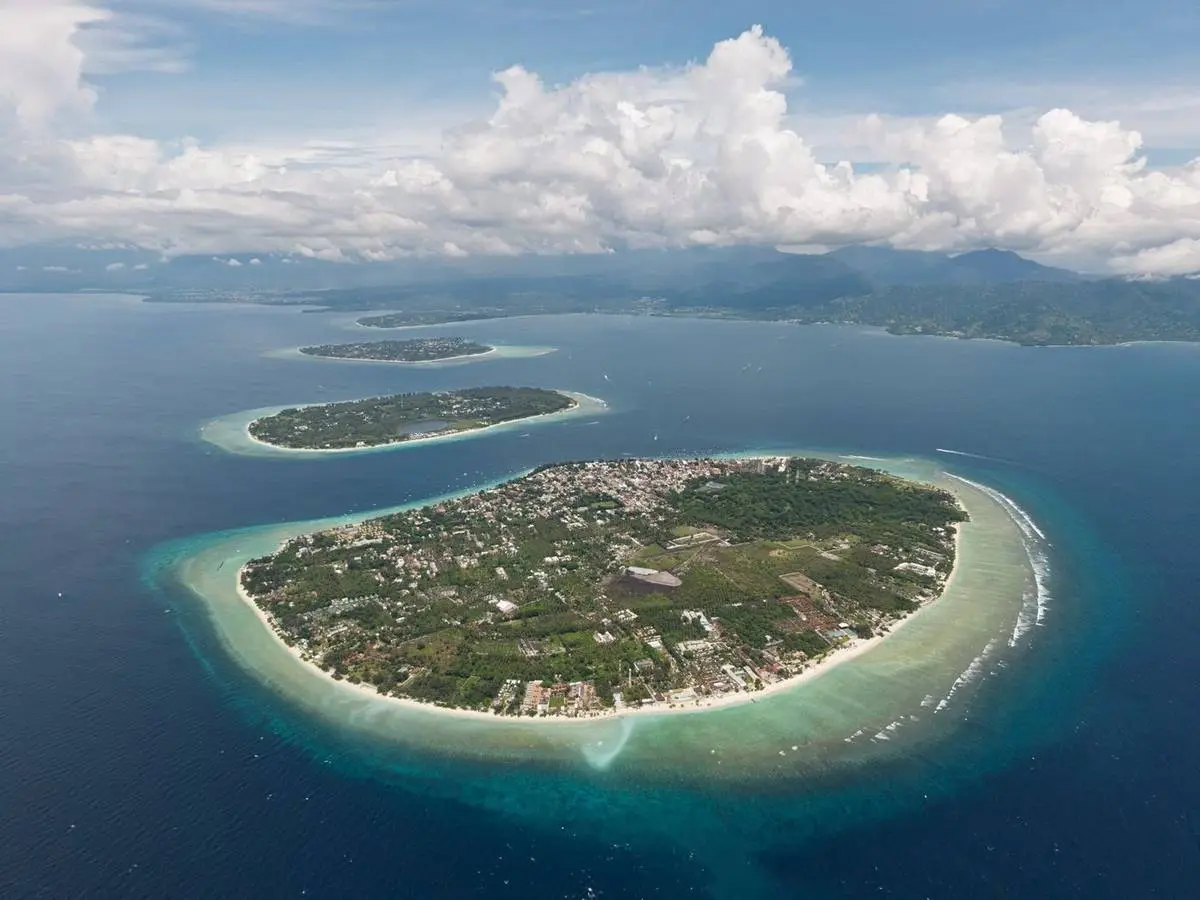
Gili Trawangan from the air, ringed by reef, with Gili Meno and Gili Air beyond
Photo: fbilula, Wikimedia Commons
Long garden pool at the dive resort
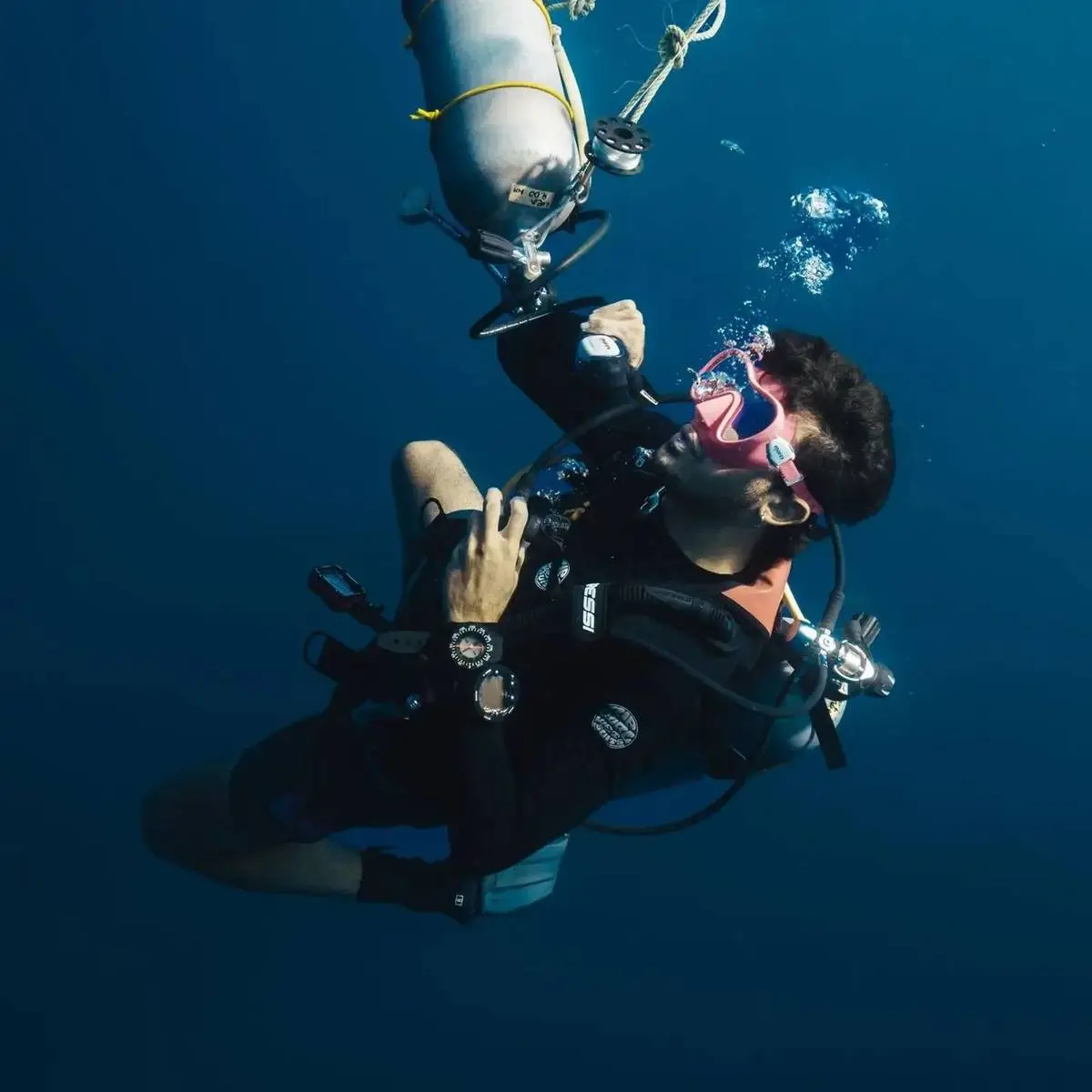
A diver descending into the blue off Gili Trawangan
Photo: local dive centre, Gili Trawangan

Gili Trawangan

Lively, social and full of choice

  • The liveliest island: bars and music every night on the east side, some until about 3am
  • The west and north sides are much quieter
  • The biggest choice of restaurants, with vegetarian and vegan options and a night market
  • Conservation Diver I (2 dives), II (3 dives) and the Conservation Specialty (7 dives) with our partner PADI centre
  • The island conservation NGO: Biorock snorkels, clean-up Fridays and turtle nest volunteering, open to non-divers
  • Biorock reef restoration courses, from 1 day to 14 days
  • Our scuba retreat here runs with an SSI dive centre
  • Stay on the west or north side for calmer nights

Choose Gili Trawangan if you like company after the dives, more food choice and short conservation activities.

The differences at a glance

Gili AirGili Trawangan
MoodCalm and village-likeLively, with a party strip on the east side
EveningsQuiet, a relaxed bar sceneMusic every night on the east side, some until about 3am
ConservationOne-day courses and 1, 2 or 4 week programmes (PADI partner)Conservation Diver I, II and Specialty (PADI partner); island NGO snorkels, clean-ups and nest volunteering; Biorock courses
Dive agencyPADI (our conservation partner)SSI for our scuba retreat; PADI for the conservation courses
CertificationAdvanced Open Water for the week programmes; one-day courses varyOpen Water for Conservation Diver I and the Biorock intro; none for the NGO snorkels and volunteering; Advanced Open Water for the 14 day course
FoodA smaller scene of cafes and beach restaurantsThe most restaurants of the three Gilis, and a night market
Getting thereClosest to Lombok by boatFast boats from Bali stop here first on most routes
Where to stayThe village or the quieter west coastThe west or north side, away from the east strip
Same on bothNo cars or motorbikes, the same marine park, green and hawksbill turtles, water about 27 to 30°C, the call to prayer at dawn

Ask Rocío which island suits you

Our partner dive centre

Life at the dive centre

Real photos from our PADI conservation partner on Gili Air and Gili Trawangan: the training pools, the classrooms, the rooms and the reef.

Gili Air

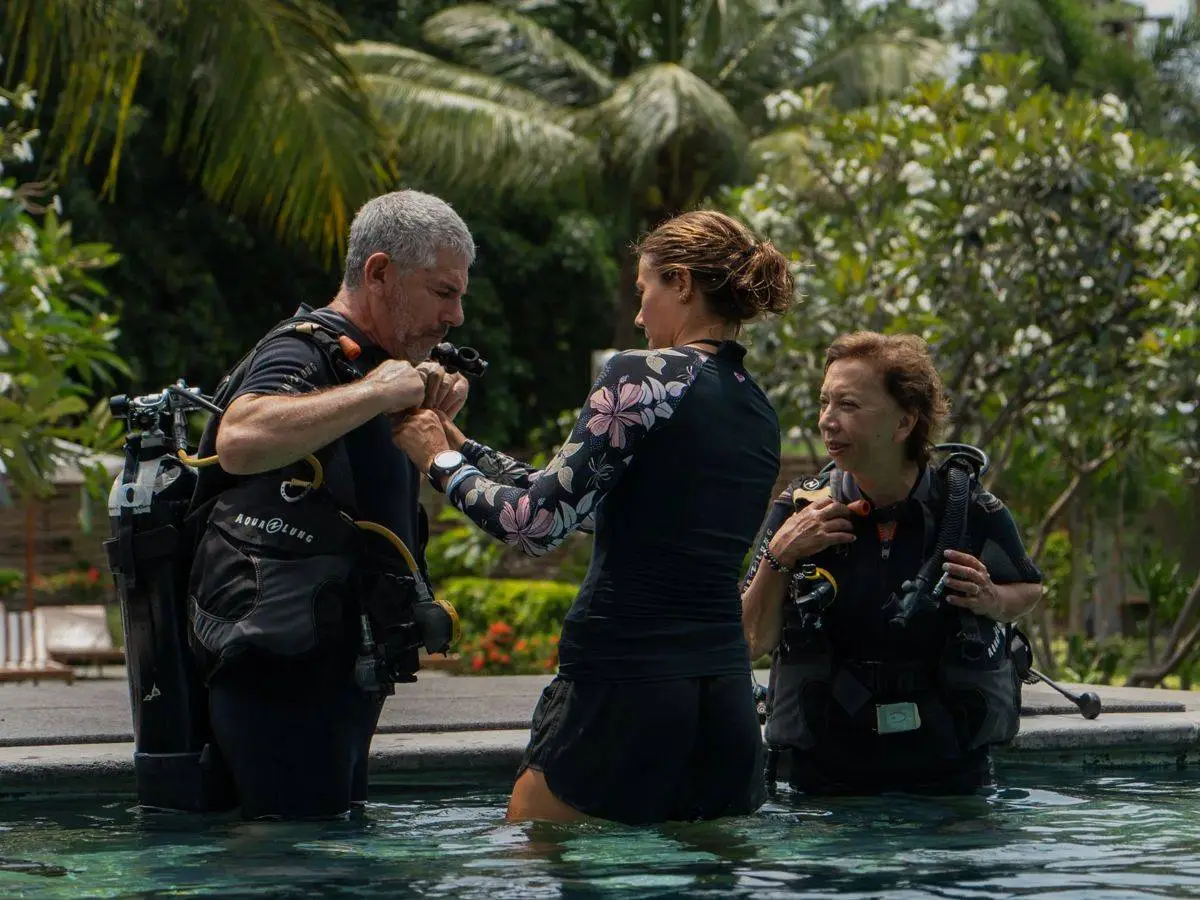
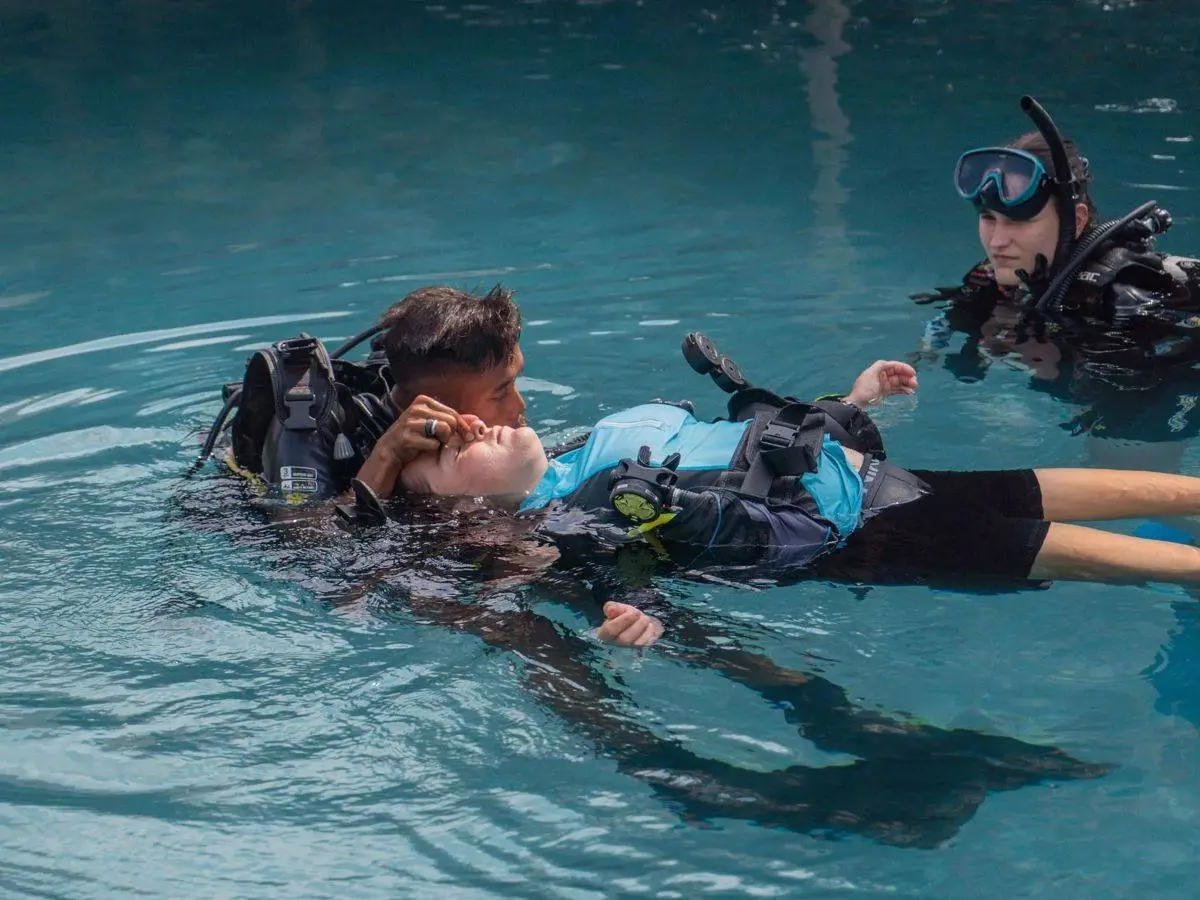
First breaths underwater in the training pool
Skills practice in calm, clear pool water
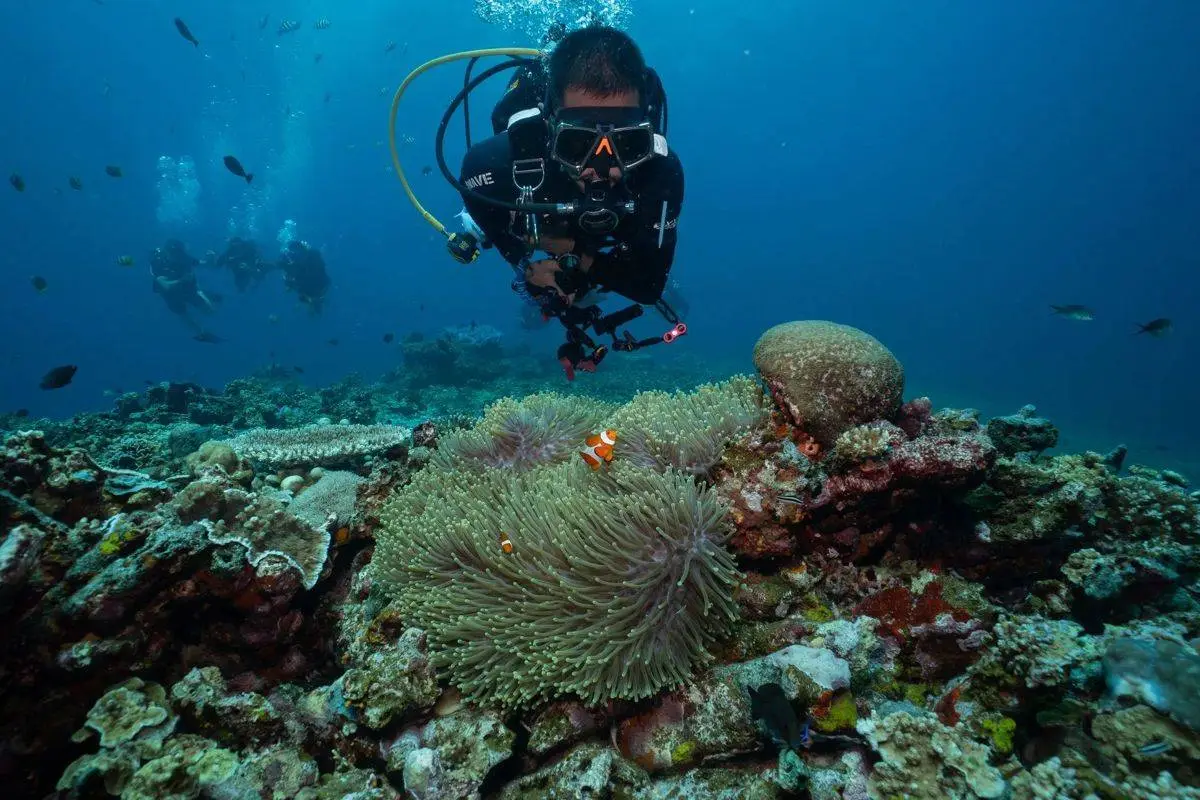
A diver gliding over the reef off Gili Air
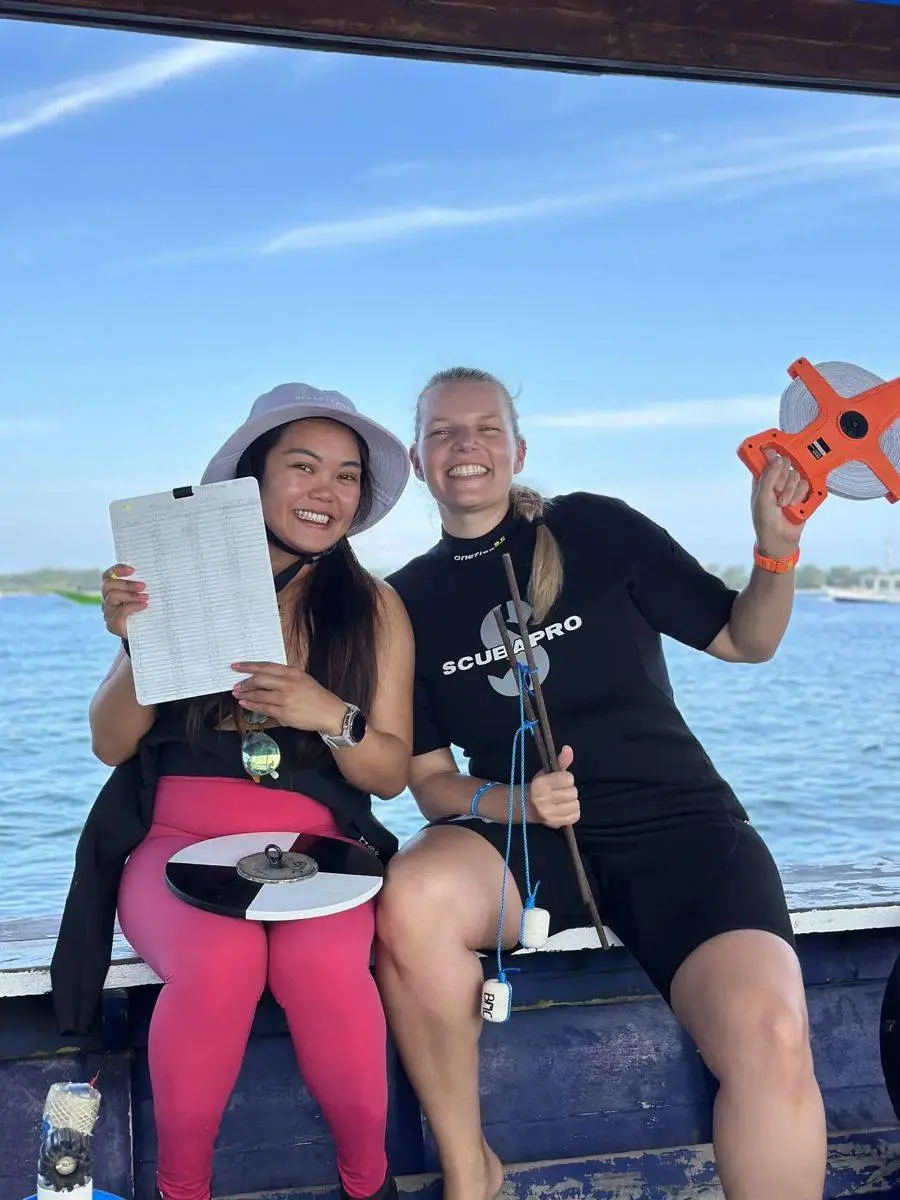
Heading out on a conservation survey
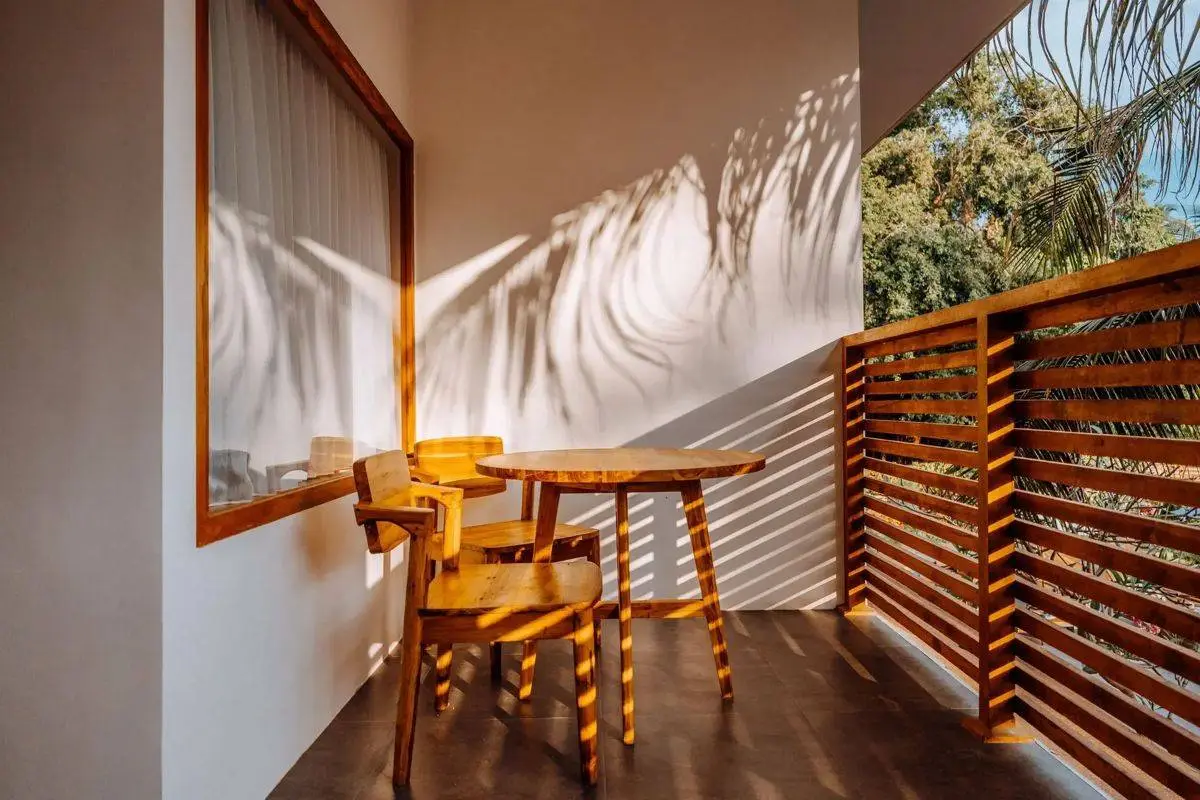
A quiet balcony room with garden views
The pool and garden where you rest between dives

Photos: our partner PADI dive centre on Gili Air and Gili Trawangan, used with permission.

The courses

Every conservation course on Gili Air

All of these run with our partner PADI dive centre on Gili Air, all year. Start with a one day course, or commit to one to four weeks and then a conservation internship. Tap a course to see what it covers and to book it.

One day courses, then longer programmes

Conservation Diver workshops. Ask Rocío which certification each one needs.

Sea turtle ecology and monitoring (1 day)1 day

You need: Age 12+. Advanced Open Water preferred; Open Water may be accepted (the course standard allows Open Water with a buoyancy appraisal). Note: the dive centre’s conservation page says Open Water for all one-day workshops.

  • Lecture: sea turtle ecology, evolution and threats
  • Turtle ID and photo-ID techniques, size estimate, behaviour log
  • Briefing, then at least one dive to find and observe green and hawksbill turtles
  • Debrief and data entry into the local database

You earn: Conservation Diver: Sea Turtle Ecology and Monitoring (awarded even if no turtle is seen, after the exam)

Book this course

Shark ecology and population studies (1 day)1 day

You need: Age 12+. Advanced Open Water preferred; Open Water may be accepted, ask

  • Shark anatomy and role on the reef
  • Threats: finning and overfishing
  • ID slates and monitoring method
  • Dive in a known shark habitat and log sightings into local monitoring

You earn: Conservation Diver: Shark Ecology and Population Studies

Book this course

Coral restoration workshop (1 day)1 day

You need: Open Water or equivalent

  • How coral reefs grow, recover and adapt
  • Threats to coral
  • Restoration methods
  • Collecting coral fragments for nurseries and artificial reef structures
  • Optional: deploy a small bottle reef, plant fragments and get growth updates twice a year

You earn: None: a workshop, not a certification course

Book this course

Discover conservation diving (1 day)1 day

You need: Advanced Open Water (per conservation diver page)

  • Coral reef ecology
  • Monitoring reef species along a permanent transect line, focusing on fish or invertebrates

You earn: Coral Reef Ecology and Monitoring

Book this course

Seahorse survey (1 day)1 day, with lecture the evening before

You need: Advanced Open Water (per conservation diver page)

  • Seahorse evolution, ecology and threats
  • Survey techniques
  • Seahorse and pipefish identification
  • Roving diver survey of the bay’s seahorse population; data shared to iSeahorse

You earn: Seahorse Ecology and Identification

Book this course

Nudibranch and sea slug survey (1 day)1 day

You earn: Nudibranch Ecology and ID

Book this course

Reef science week (Ecological Monitoring Programme)1 week, starts monthly, year-round

You need: Advanced Open Water (any agency)

  • Daily lecture followed by a dive to practise
  • Tropical coral reef ecosystems
  • Fish and invertebrate monitoring
  • Coral health assessment
  • Marine debris and microplastics monitoring

You earn: Coral Reef Ecology and Monitoring; Ecological Monitoring Program

Book this course

Artificial reef weeks (Reef Assistant, weeks 1 and 2)2 weeks

You need: Advanced Open Water

  • Everything in week 1
  • Coral restoration and artificial reef theory and techniques
  • Design, build and deploy your own coral nursery and artificial reef structures
  • Coral taxonomy

You earn: Week 1 certs plus Coral Restoration and Artificial Reef; Coral Taxonomy I and II

Book this course

Advanced ecological monitoring (Marine Research Assistant, weeks 1 to 4)4 weeks

You need: Advanced Open Water

  • Weeks 1 and 2
  • Advanced monitoring techniques and completing data collection
  • Coral disease and compromised health monitoring
  • Coral predators, giant clam nurseries (per certification body page)
  • Nudibranch and seahorse ecology and ID

You earn: All earlier certs plus Coral Disease and Compromised Health Monitoring; Advanced Monitoring Techniques; Nudibranch Ecology and ID; Seahorse Ecology and ID

Book this course

Conservation internship (after the 4 weeks)1 to 3 extra months

You need: Complete all weeks of the programme

  • Day-to-day conservation work
  • Monitoring and restoration
  • Research project or university thesis support

Book this course

Course details come from the dive centre’s published programmes and Rocío’s research, checked September 2026. Rocío confirms the final programme, dates and price with you.

Trip details

Departures
All year. Programmes start every month
Investment
Course prices are set with the dive centre. Rocío’s personal recommendation is CHF 19 (1 to 3 day course) and her planned itinerary CHF 99 (1 week to 1 month).
Deposit
Rocío tells you how to reserve your course.
Final balance
Rocío confirms how and when to pay the dive centre when you reserve.

Included

  • Your conservation course or programme with a local PADI dive centre
  • Dive equipment rental, boat trips, course materials and certifications (as listed by the dive centre)
  • Lunch on course days in the two and four week programmes on Gili Air
  • Help choosing the right course for your level
  • A calm stay suggestion and a pre-trip checklist

Not included

  • Accommodation
  • Flights and boat transfers to the islands
  • Meals, except where listed above
  • Marine park fee
  • Dive and travel insurance (advised, dive centres ask for it)
  • Personal expenses

Deposits are non-refundable. Read the cancellation policy.

Ethics and safety

  • Turtles: look from a distance, never touch, chase or block their way. On the beach, no torches or flash near nesting turtles or hatchlings, and never dig out or handle hatchlings.
  • Reef sharks rest in ledges and caves by day. We never corner them, and local research is studying how divers and boats disturb their resting.
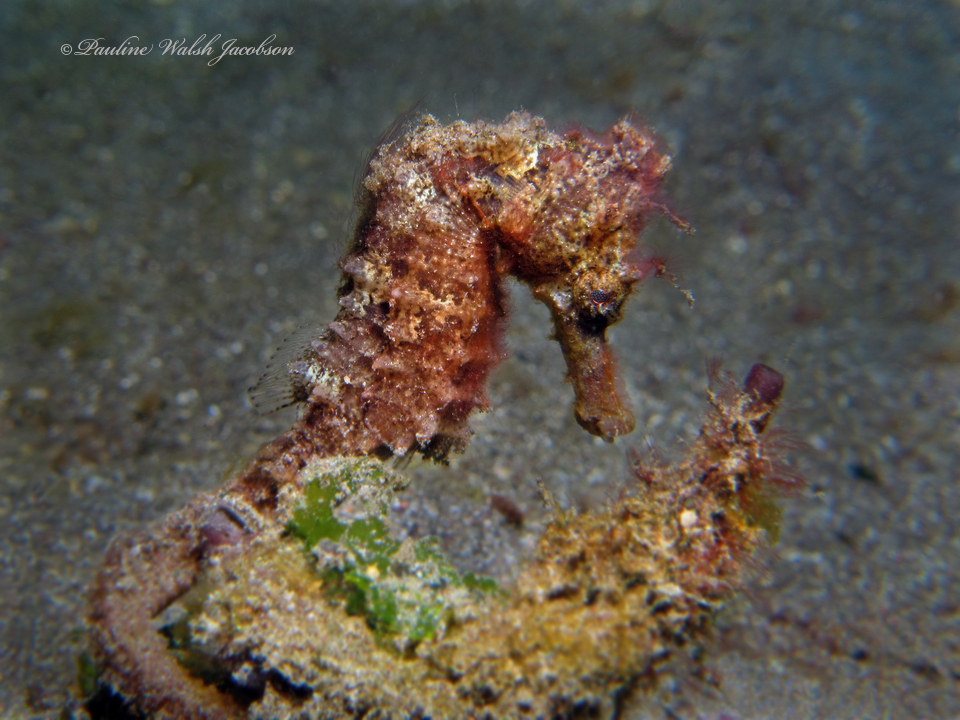
  • Seahorses are tiny and easy to stress. Look only, never move them from their holdfast, and never buy a dried or live seahorse: all seahorses are protected in international trade (CITES Appendix II).
  • Turtle nests here are protected where they are laid, with hatchlings released straight to the sea. We do not visit tank hatcheries or turtle photo stops.
  • The reef is shared and busy. Good buoyancy is the best gift you can give it. Bring a refill bottle: tap water is not drinkable and plastic ends up on the reef.

Practical details

  • Getting there: fast boat from Bali (about 1.5 to 2.5 hours), or from Lombok airport by road to Bangsal harbour and a short boat. Gili Air is the closest island to Lombok. The islands are 10 to 20 minutes apart by boat.
  • No cars or motorbikes on the islands, and e-bike or scooter hire is not allowed. Walk, cycle or take the boat.
  • Water is about 27 to 30 C all year. A rashguard or 3 mm shorty is enough.
  • There is no hyperbaric chamber on the islands; the nearest is on Bali. Dive insurance is essential.
  • Bring your certification card and logbook, reef-safe sun protection, a refill bottle and some cash in rupiah: Gili Air has fewer ATMs than Gili Trawangan.
Why we choose slower boats

Speed is one of the simplest things a boat captain controls, and it matters a lot to the animals we visit. Research from many oceans shows the same pattern: a slower boat is less likely to hit a whale, turtle or manatee, gives animals time to move away, and makes less noise under the water.

Slower ships kill fewer whales

A study of 47 recorded ship strikes on large whales found the chance of a deadly injury was 21 per cent at 8.6 knots but 79 per cent at 15 knots. Below 11.8 knots, a strike is more likely to be survived than not.

Vanderlaan & Taggart, 2007, Vessel collisions with whales: the probability of lethal injury based on vessel speed (Marine Mammal Science)

A 10 knot limit works for right whales

Since 2008, the United States has required vessels 65 feet (about 20 metres) or longer to travel at 10 knots or less in set areas and seasons along the East Coast, to protect North Atlantic right whales. A later study estimated these limits cut the risk of deadly ship strikes by 80 to 90 per cent.

Conn & Silber, 2013, Vessel speed restrictions reduce risk of collision-related mortality for North Atlantic right whales (Ecosphere); NOAA Fisheries, Reducing vessel strikes to North Atlantic right whales

Turtles cannot escape fast boats

In Moreton Bay, Queensland, Australia, researchers watched 1,890 green turtle encounters. 60 per cent of turtles moved away from a boat going 4 km/h, but only 22 per cent at 11 km/h and 4 per cent at 19 km/h.

Hazel, Lawler, Marsh & Robson, 2007, Vessel speed increases collision risk for the green turtle Chelonia mydas (Endangered Species Research)

Slow zones save manatees

In Sykes Creek and the Barge Canal on Merritt Island, Florida, eight manatees were killed by boats in the 42 months before year-round slow speed was enforced. In the 42 months after, only one was killed.

Laist & Shaw, 2006, Preliminary evidence that boat speed restrictions reduce deaths of Florida manatees (Marine Mammal Science)

Faster boats are louder

Recordings of 1,582 ships in Haro Strait, between Washington State and British Columbia, showed that most ships get about 1 decibel louder for every extra knot of speed. This noise reaches the high sounds that killer whales use to find food.

Veirs, Veirs & Wood, 2016, Ship noise extends to frequencies used for echolocation by endangered killer whales (PeerJ)

Going slow gives whales quiet time to feed

When ships in Haro Strait were asked to slow to 11 knots, underwater noise fell by 2.5 decibels, about 44 per cent less sound energy. Scientists estimated this cut the feeding time killer whales lose to noise by 22 per cent.

Joy et al., 2019, Potential benefits of vessel slowdowns on endangered southern resident killer whales (Frontiers in Marine Science)

Questions

Which course should I choose?
Short on time: a one day course on turtles, sharks, coral, seahorses or sea slugs. One week: the reef science week. Two weeks: the artificial reef weeks. Four weeks: advanced ecological monitoring. After the four weeks you can stay on as a conservation intern for 1 to 3 more months. Rocío helps you choose.
Do I need a science background?
No. The courses start from the basics and are made for curious divers. You only need the right dive certification.
Which certification do I need?
Open Water or Advanced Open Water for the one day courses, depending on the course. Advanced Open Water for the one, two and four week programmes. Ask Rocío first if you are unsure.
Will I see turtles and sharks?
Green turtles are seen on many dives and whitetip reef sharks are regular at some sites, but nothing is guaranteed. You still earn the certification if the animal does not appear.
Is accommodation included?
No. We suggest a calm place to stay that suits you, and you book it yourself.
Can I come if I am not certified yet?
Yes. You can learn to dive first with a PADI course at the same dive centre, then join a conservation course.
How do I book?
Message Rocío. She recommends the right course, checks the dates with the dive centre and tells you how to reserve. To pay, text Rocío on WhatsApp and she will tell you how.
CHF 19Recommendation for a 1 to 3 day course
CHF 99Planned itinerary for 1 week to 1 month

The fee covers Rocío’s personal recommendation and planning. To pay, text Rocío on WhatsApp and she will tell you how.

Text Rocío to book and pay

Real guest reviews: Google · BookRetreats

Conservation-led. Ocean Calling guests never chase, touch or bait animals.

Sources for this page
You might like

5-day freediving course in Bali

CHF 1,180