
Your Questions, Answered
Find clear answers about our ethical ocean retreats, including activities, scuba and freediving options, wildlife encounters, safety, solo travel, payments, and practical planning. This page is designed to help you understand what to expect before booking with Ocean Calling Retreats.
1. General Experience
What activities are included?
Each retreat includes a carefully selected mix of ocean experiences, cultural moments, and nature-based activities. Depending on the destination, this may include snorkeling, scuba diving, freediving, surfing, whale encounters from permitted distances, mangrove exploration, guided excursions, and slower experiences that allow time to rest and connect with the place. The exact programme depends on the destination, the season, and local conditions.
Who leads the activities?
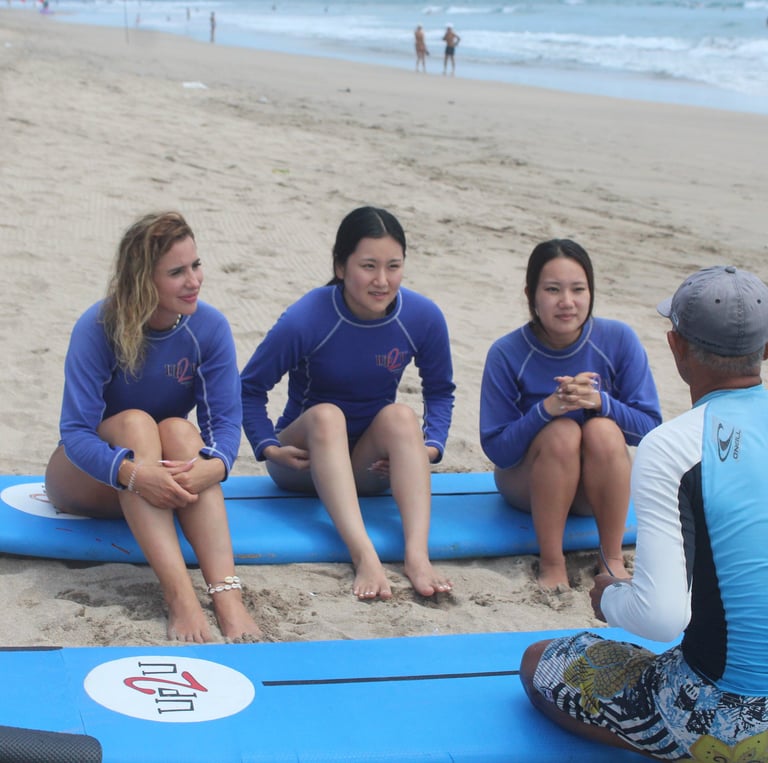
Activities are led by trusted local professionals, including certified instructors, experienced guides, and destination partners who know the area well. We work with people who value safety, professionalism, and a calm way of guiding, so the experience feels well held from beginning to end.
Who can join the retreat?
Most retreats are open to guests with different levels of experience, including beginners in many cases. You do not need to be highly experienced in ocean activities to join, but you should feel comfortable following guidance and moving at a realistic pace. If a retreat includes specific physical or water-based requirements, these should always be discussed before booking.
Can I join on my own?
Yes. Most guests join solo. The retreats are designed to feel welcoming for people travelling alone, with a group atmosphere that encourages connection naturally rather than forcing it.
Can I book a private retreat?
Yes. Private retreats for couples, friends, or small groups may be arranged on request, depending on the destination and availability.
Can I choose scuba instead?
Yes. If you prefer scuba diving, a scuba-focused experience can be arranged through trusted local dive centres. Freediving is never required, and the retreat can be shaped around the kind of ocean experience that suits you best.




2. Ocean & Wildlife
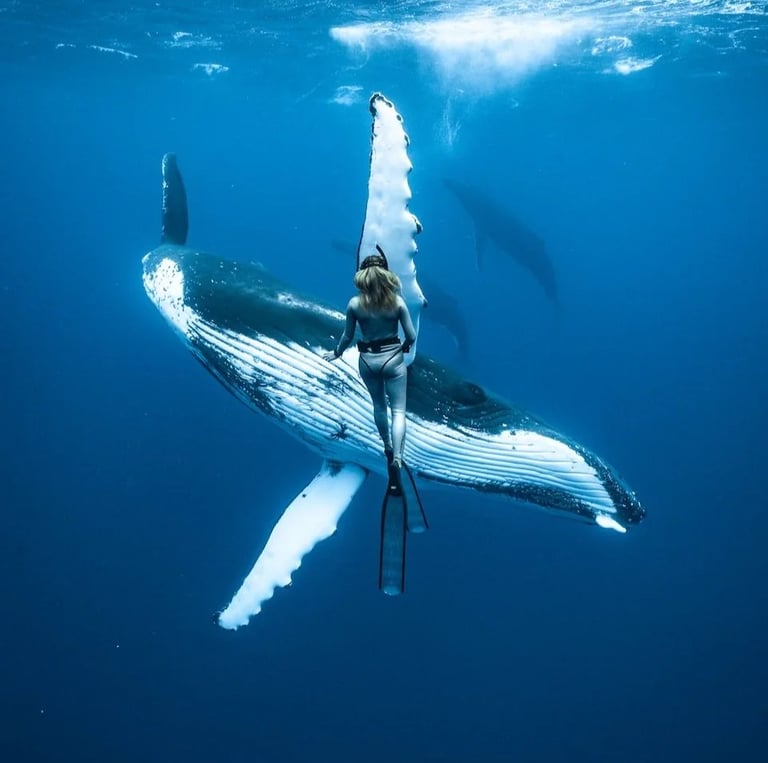
Can I freedive with whales?
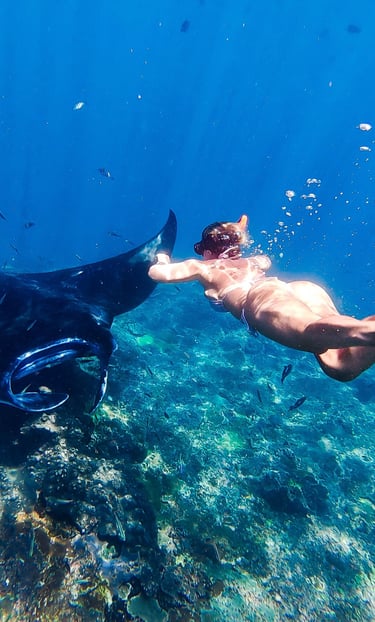
No. In destinations where diving or freediving near marine mammals is restricted, encounters take place from the surface only. If local regulations allow it, respectful snorkeling may be possible under professional guidance.
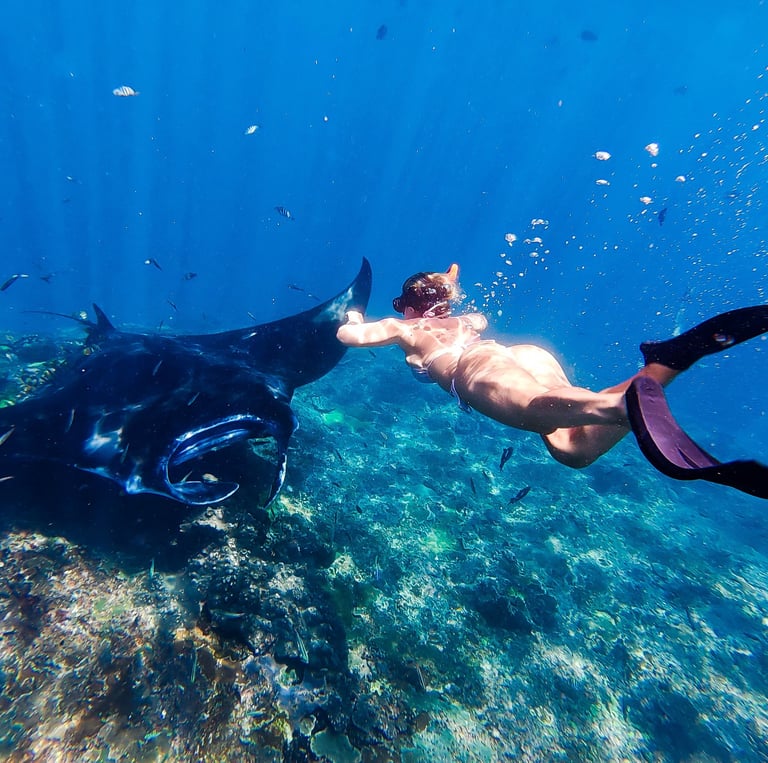
Can I touch marine animals?
No. Marine animals should never be touched, chased, or approached actively. Encounters are intended to remain passive, calm, and respectful at all times.
Are wildlife encounters guaranteed?
No. Wildlife can never be guaranteed. We work within the most suitable seasons and with experienced local guides, but nature remains unpredictable. The aim is always to create respectful opportunities for encounter, not to control the outcome.
What if I feel nervous?
You may pause, rest, or skip an activity at any moment. Your comfort matters, and there is no pressure to continue if something does not feel right for you.
What if the sea is rough?
Sea conditions can change naturally. If conditions are not suitable, activities may be adapted, delayed, or replaced for safety reasons. If you are sensitive to motion, seasickness medication is recommended before boat trips.
What if I get bitten?
Bites or stings are uncommon, but they are possible in natural environments. Guides will explain how to behave in the water to reduce risk, and local first response procedures will be followed if needed.
Are there dangerous animals?
The ocean is a natural environment, which means marine life is present in its own habitat. Encounters are approached with care, distance, and professional guidance to reduce risk and avoid unnecessary disturbance.
What about jellyfish?
Some destinations may have jellyfish or seasonal stingers. Where relevant, you will be informed in advance, and protective clothing may be recommended depending on the destination and time of year.
3. Booking & Changes
Can I modify the itinerary?
No. Once your itinerary has been confirmed and coordinated with local partners, it becomes final. This is because activities often involve scheduled providers, transport, reserved time slots, and limited availability.
Can the retreat be tailored?
Yes. Before booking, you are welcome to share your interests, comfort level, and preferences so the retreat can be shaped accordingly. Once the itinerary has been approved and booked, it can no longer be adjusted.
Can I cancel my booking?
Deposits are non-refundable because each retreat requires advance coordination with local partners, instructors, and accommodation providers. If you cannot attend, you may request a one-time transfer to another retreat within 12 months of the original retreat start date, within the same retreat category and subject to availability, provided written notice is received at least 30 days before the retreat begins. If the new retreat is priced higher, the difference must be paid. If it is priced lower, the difference is not refunded. Cancellations made within 30 days of the retreat start date are non-refundable.
What if weather changes?
Weather and sea conditions may affect the programme. If changes are needed for safety or operational reasons, activities may be adjusted accordingly.
Can I skip an activity?
Yes. You are free to skip an activity if you do not feel comfortable. The retreat should feel supportive, not pressuring.
Can I extend my stay?
In many cases, yes. If you would like to arrive earlier or stay longer, guidance may be offered depending on the destination and schedule.


4. Inclusions & Payments
What does the fee include?
Your coordination fee covers the planning and preparation of your retreat in advance. This includes itinerary design, scheduling, and coordination with trusted local partners before your arrival.
What is not included?
Meals, activity fees, park entrance fees, personal expenses, upgrades, spa services, and on-site payments made directly to local providers are not included unless clearly stated otherwise.
Are flights included?
No. International and domestic flights are not included. Guests are responsible for arranging their own travel to and from the retreat destination.
Are transfers included?
No. Transfers are not included in the coordination fee. Airport transfers may be arranged as an additional service where available. Daily transport is usually organised directly with local providers on site.
Is there on-call support?
No. The coordination fee covers planning before arrival. Day-to-day logistics, personal arrangements, or last-minute changes during the retreat are handled directly with local partners.
How do on-site payments work?
Activities included in your confirmed itinerary are arranged in advance as part of your retreat planning. In most cases, you will not need to organise these yourself. Additional costs may apply only if you choose to book extra activities, services, meals, upgrades, or personal arrangements outside the confirmed itinerary. Any such extras are paid directly to the relevant local provider.


5. Health & Safety
Do I need experience?
No. Many retreats are suitable for beginners, and activities are adapted as much as possible to your level and comfort.
Do I need medical clearance?
If you plan to take part in freediving or scuba diving, you may be required to provide a fit-to-dive medical clearance document signed by a doctor, depending on your health history and the requirements of the dive operator. This is especially important if you have asthma, heart conditions, respiratory issues, sinus problems, recent surgery, or any other condition that may affect diving safety.
For snorkeling only, medical clearance is usually not required, unless you have a condition that could affect your safety in the water. If you are unsure, it is best to check before booking.
Do I need vaccines?
Vaccine requirements depend on the destination, your nationality, and your recent travel history. It is always best to check official travel health guidance and speak with a doctor or travel clinic before travelling.
Do I need malaria tablets?
This depends on the destination and season. Where malaria prevention is recommended, you should consult your doctor before travel.
Can I join with asthma?
If you want to freedive or scuba dive, asthma may require medical clearance and acceptance from the dive operator. A fit-to-dive certificate may be requested before participation. If you are joining for snorkeling only, this is usually less strict, but you should still assess your comfort and safety honestly.
Can I join if injured?
If you plan to freedive or scuba dive, a recent injury, surgery, or ongoing medical issue may require medical approval before participation. A fit-to-dive document may be needed depending on the condition and the operator’s standards. For snorkeling-only activities, requirements are usually less strict, but safety still comes first.
Can I join while pregnant?
If you are pregnant, you should not participate in scuba diving or freediving. Snorkeling may be possible in some cases depending on your health, comfort, and medical advice, but you should always speak with your doctor first.
What sunscreen should I bring?
Only reef-safe sunscreen should be used. Mineral-based formulas without oxybenzone or octinoxate are recommended. In some locations, you may be asked to apply sunscreen on land before entering the water.
What should I wear?
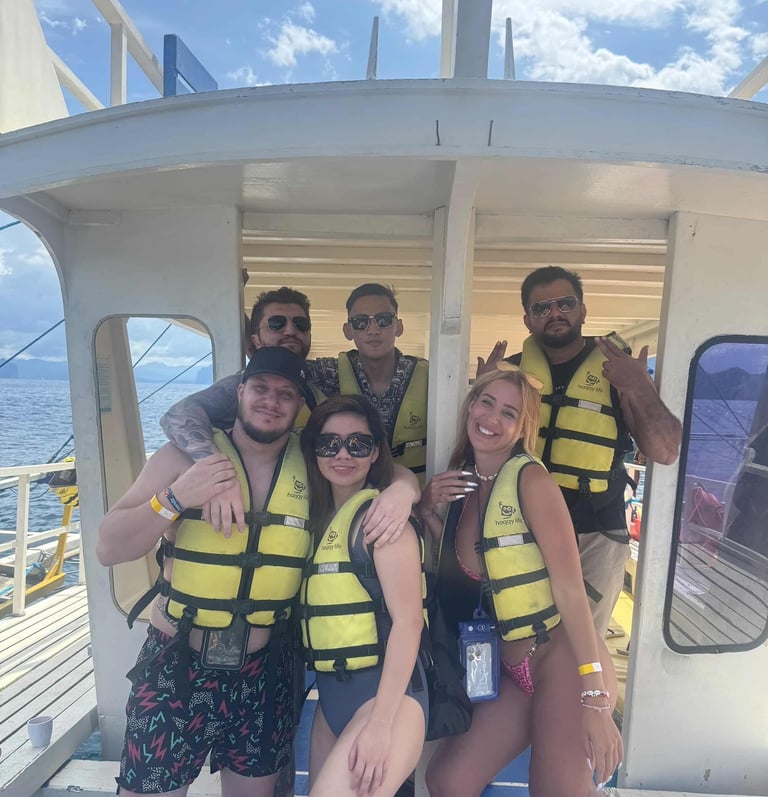
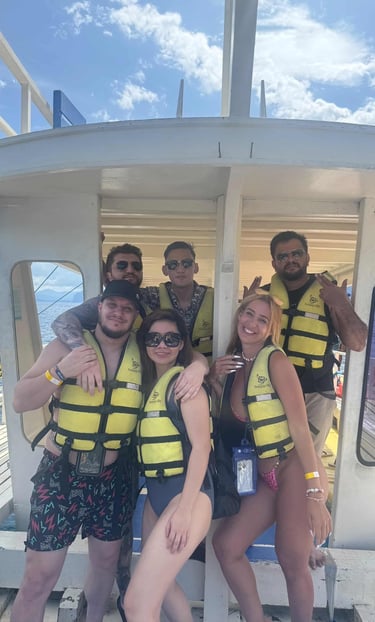
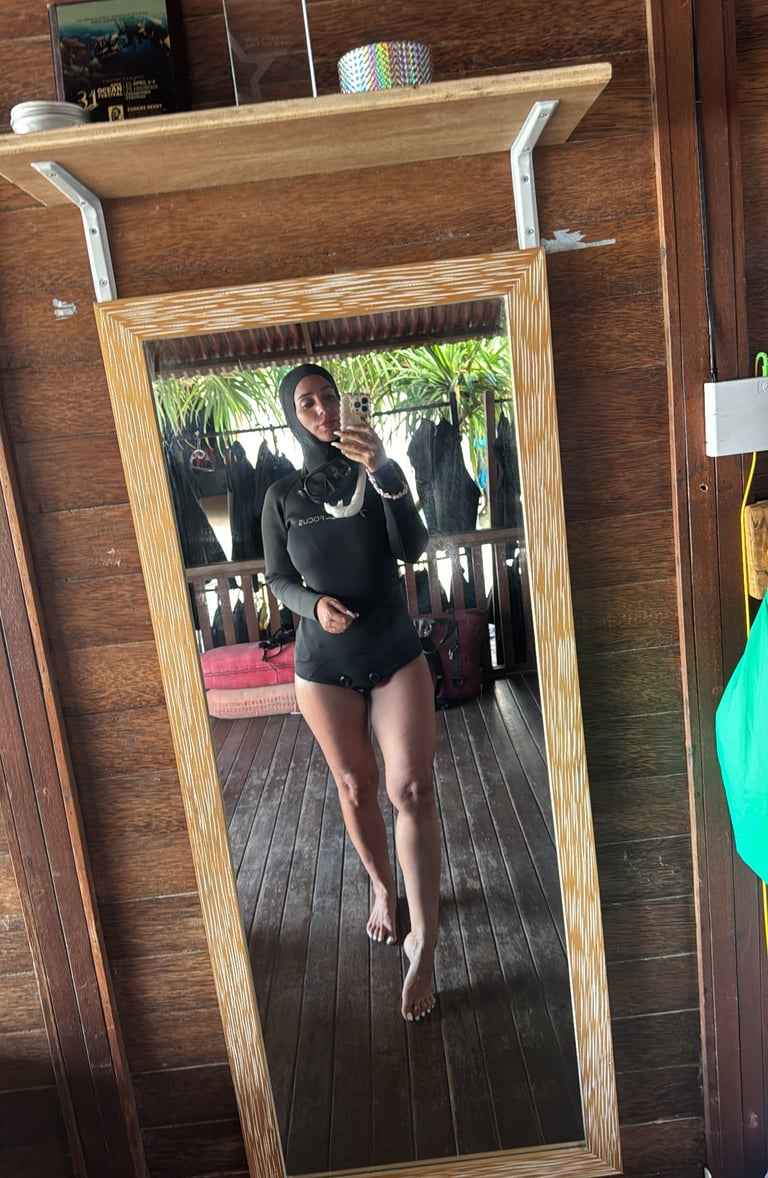
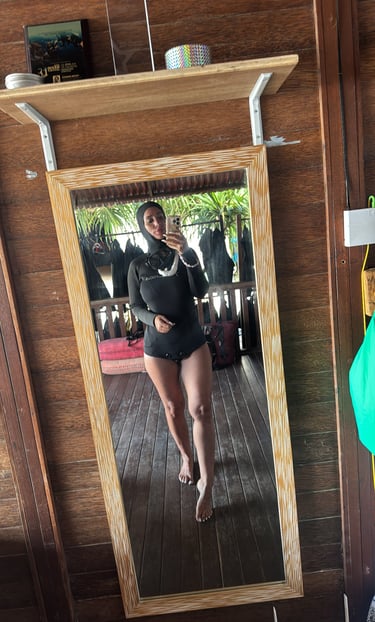
You may wear whichever swimwear makes you feel comfortable, including bikinis, one-pieces, rash guards, or burkinis, unless local laws, cultural expectations, or site-specific rules require more coverage. Depending on the activity and conditions, you may also be asked to wear a wetsuit, life vest, or other safety equipment provided by the local operator. For village visits, temples, or other cultural settings, clothing that covers the shoulders and knees may be required.
Is equipment provided?
Basic snorkeling equipment can usually be provided. For comfort and fit, some guests may prefer to bring their own personal gear.
Are meals included?
Meals may or may not be included, depending on the retreat and the accommodation option selected. In some retreats, certain meals are part of the package, while in others guests are free to choose their own meals according to their preferences and dietary needs. The exact inclusions will always be confirmed before booking.
Can dietary needs be accommodated?
In many destinations, yes, although options vary by place. It is always best to share dietary requirements in advance.
Are lost items covered?
No. Guests are responsible for their own belongings throughout the retreat.
Are alcohol and smoking allowed?
Alcohol and smoking are not part of the retreat programme. In your personal time, these choices remain private, but they must not affect safety, morning activities, or group comfort.
Is it safe to explore alone?
Retreat destinations are generally considered safe for visitors, but normal travel precautions still apply. You should keep valuables secure, avoid isolated areas at night, and respect local guidance and customs.
Can guides refuse participation?
Yes. A guide, instructor, or local provider may refuse participation if a guest is unwell, acting unsafely, or not following instructions.


6. Insurance & Liability
Is insurance required?
Yes. Travel insurance is strongly recommended, and for diving-related activities, dive-specific insurance may also be advisable depending on the destination and activity type.
What should insurance cover?
Ideally, your insurance should cover travel cancellation, medical care, lost belongings, water-based activities, and emergency evacuation where relevant.
Do you provide insurance?
No. Guests are responsible for arranging their own insurance. WeTravel may offer insurance during checkout, but guests should review the terms carefully and decide whether it suits their needs.
Who is responsible?
Each guest remains responsible for their personal decisions, health, insurance, belongings, and conduct during the retreat. Local providers are responsible for delivering their own services according to their own standards and conditions.
Will I sign a waiver?
In many destinations, yes. Local operators may require participation forms, medical declarations, or liability waivers before certain activities.
Are you liable for problems?
Ocean Calling Retreats coordinates retreats with trusted local partners, but cannot accept liability for weather, wildlife behaviour, travel disruption, personal injury, illness, lost belongings, or issues arising from third-party providers.


7. Culture & Respect
How should I behave?
In temples, villages, family homes, and other cultural spaces, respectful behaviour is expected. This may include speaking softly, removing shoes when asked, dressing modestly, and following local guidance around photography and conduct.
What should I wear on land?
Swimwear is suitable for the beach and water activities. For cultural visits and village settings, light clothing that covers the shoulders and knees may be required.
Do I need to follow rules?
Yes. Guests are expected to follow safety guidance, local customs, wildlife rules, and instructions from guides and instructors at all times.
What if rules are ignored?
If a guest behaves in a way that affects safety, local respect, wildlife protection, or group wellbeing, participation in certain activities may be refused.
Is this a low-impact retreat?
Yes. The retreats are designed with a thoughtful, low-impact approach. The intention is to work responsibly with trusted local partners, respect wildlife limits, and create a more considered way of experiencing the ocean.


© 2026 Ocean Calling Retreats.
All rights reserved.
Ocean Calling Retreats
Ethical ocean retreats for solo travellers. Small-group experiences built on depth, safety, and meaningful connection.
Certifications
All ocean experiences follow strict ethical guidelines.