Reef-Safe Packing List for Tropical Ocean Travel
Discover a reef-safe packing list for tropical ocean travel to reduce environmental impact and protect coral reefs while exploring responsibly.
ETHICAL OCEAN TRAVEL & CONSERVATION
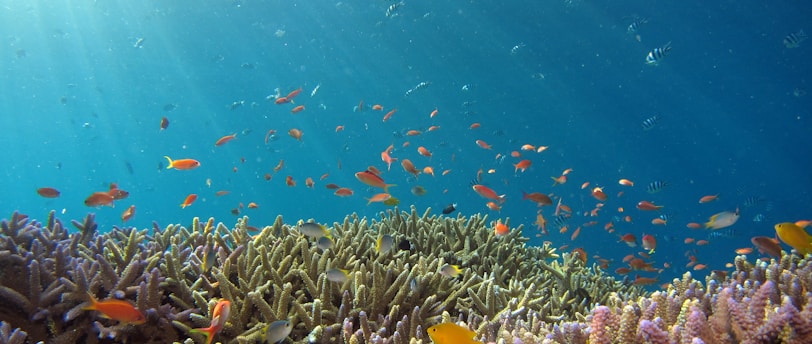

Tropical ocean destinations are home to some of the most delicate ecosystems on the planet. Coral reefs, marine plants, and coastal environments are highly sensitive to pollution, chemicals, and waste.
Small travel choices can influence the health of these ecosystems. A reef-safe packing list helps reduce environmental impact while supporting responsible ocean travel.
Packing with awareness does not mean sacrificing comfort. It simply means choosing items that are both practical and respectful of marine environments.
Thoughtful preparation allows travellers to enjoy the ocean while helping preserve it.
Why reef-safe choices matter
Coral reefs support an extraordinary level of biodiversity. Many marine species depend on coral ecosystems for shelter, feeding, and reproduction.
Certain chemicals commonly found in sunscreens and personal care products have been shown to contribute to coral stress and degradation.
In tropical destinations where many travellers enter the ocean daily, cumulative impact can become significant.
Reducing exposure to harmful substances helps protect marine habitats over time.
Responsible packing choices can contribute to the long-term health of these ecosystems.
Protecting reefs supports the entire marine environment.
Reef-safe sun protection essentials
Sun protection is necessary in tropical climates, especially when spending extended time in the water.
Reef-safe sunscreen formulas avoid ingredients that may harm coral reefs.
Travellers often look for sunscreens labelled:
reef-safe
oxybenzone-free
octinoxate-free
mineral-based formulas
Additional protective items can reduce the need for frequent sunscreen application:
long-sleeve swimwear
rash guards
UV-protective clothing
wide-brim hat
sunglasses
Physical protection often complements topical sun protection.
This combination can feel comfortable while supporting reef preservation.
Ocean-friendly toiletries
Toiletries can enter marine environments through direct contact or wastewater systems.
Choosing environmentally considerate products helps reduce chemical impact.
Common reef-conscious options include:
biodegradable shampoo
biodegradable conditioner
solid soap bars
solid shampoo bars
aluminium-free deodorant
reusable toiletry containers
Solid products often reduce plastic packaging and simplify travel logistics.
Small product choices can collectively reduce environmental pressure.
Reducing single-use plastics during island travel
Island ecosystems often have limited waste management infrastructure.
Reducing single-use plastics helps prevent pollution from entering marine environments.
Reusable alternatives may include:
reusable water bottle
reusable shopping bag
reusable coffee cup
reusable cutlery set
reusable straw if desired
food container for takeaway meals
These items are lightweight and easy to carry.
Reducing plastic waste helps protect marine life from ingestion and habitat contamination.
Practical items that support low-impact travel
Certain travel items can support more responsible behaviour during ocean experiences.
Examples include:
dry bag for protecting personal belongings
microfiber towel
reef-safe insect repellent if required
laundry soap sheets for hand washing
reusable laundry bag
lightweight tote bag
Practical preparation can help travellers avoid purchasing disposable items at the destination.
Planning ahead often reduces unnecessary consumption.
Clothing choices that protect both skin and reefs
Clothing can reduce sun exposure and reduce the need for repeated sunscreen application.
Useful options may include:
rash guards
lightweight long-sleeve shirts
breathable fabrics
quick-dry materials
lightweight trousers
comfortable sandals
Clothing designed for sun protection can improve comfort during long days near the ocean.
These items also help reduce chemical exposure to marine environments.
Functional clothing supports both wellbeing and sustainability.
Responsible packing supports responsible experiences
Packing choices are part of a broader approach to responsible ocean travel.
Low-impact behaviour in the water often begins with preparation before departure.
Examples of supportive practices include:
choosing reef-safe products
avoiding unnecessary packaging
bringing reusable alternatives
selecting durable items that last over time
Responsible travel does not require perfection.
Gradual adjustments can still create meaningful impact.
Many travellers appreciate aligning their travel habits with environmental values.
FAQ
What does reef-safe mean?
Reef-safe products avoid certain chemicals believed to contribute to coral reef damage, particularly oxybenzone and octinoxate.
Is mineral sunscreen better for coral reefs?
Mineral sunscreens are often recommended as an alternative because they typically contain fewer ingredients associated with coral stress.
Are biodegradable toiletries necessary?
Biodegradable products can reduce environmental impact, especially in destinations with sensitive ecosystems.
Can small packing changes really make a difference?
Small changes can reduce cumulative environmental pressure when adopted consistently by many travellers.
Do all tropical destinations encourage reef-safe products?
Many ocean destinations increasingly recommend reef-safe practices to protect marine biodiversity.
Reef-safe packing reflects an intention to travel with awareness and respect.
Protecting coral reefs helps preserve the beauty and biodiversity that make ocean experiences meaningful in the first place.
© 2026 Ocean Calling Retreats.
All rights reserved.
Ocean Calling Retreats
Ethical ocean retreats for solo travellers. Small-group experiences built on depth, safety, and meaningful connection.
Certifications
All ocean experiences follow strict ethical guidelines.