Questions to Ask Before Booking Wildlife Encounters
I still remember the moment I almost booked the experience.
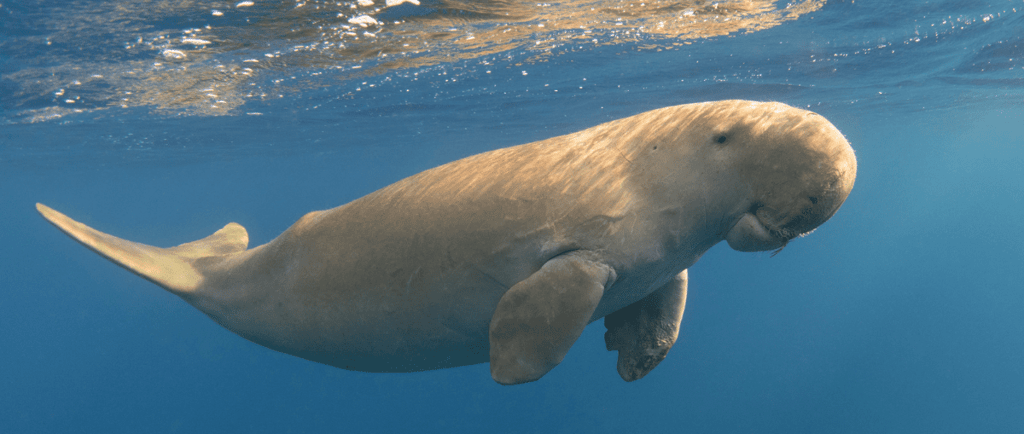
The photos looked unreal — crystal clear water, a small boat, and dolphins swimming close enough to almost touch. It seemed simple. Beautiful. Effortless.
And yet, something made me pause.
I opened the website again and started reading more carefully. There was very little information about how the encounter actually worked. No mention of group size. No explanation about distance from the animals. Only the promise of an unforgettable experience.
So I wrote a short message:
How many people are in the water at the same time?
Do you approach the animals, or do you wait for them to come closer?
Do you follow any guidelines to protect marine life?
The answer I received changed how I see wildlife encounters today.
The operator explained that sightings could never be guaranteed. Dolphins follow their own routes, their own timing. Some days they appear close, other days they remain far away. Groups were kept small to reduce noise and stress in the water. If the animals showed signs of discomfort, the encounter ended.
At that moment, I understood something important: responsible wildlife encounters often look quieter than expected.
Ethical ocean travel is not about controlling nature. It is about allowing space for natural behaviour to remain undisturbed.
Science-based marine tourism helps guide these practices. Marine biologists and conservation experts study animal behaviour to understand how tourism can reduce disruption to feeding, resting, and social patterns. Ethical travel guidelines often recommend respectful distances, calm movements in the water, and avoiding physical contact with marine animals.
These details may seem small, but they influence the wellbeing of marine ecosystems over time.
Asking simple questions before booking wildlife encounters can reveal whether an experience supports marine life protection or unintentionally places pressure on animals. Questions about group size, approach methods, and collaboration with conservation organisations help identify ethical marine tourism providers who prioritise sustainable ocean travel practices.
Many responsible operators work closely with local communities and researchers to continuously improve their environmental responsibility. Their goal is not only to offer memorable encounters, but also to protect the ecosystems that make these experiences possible.
Interestingly, the most meaningful encounters often happen when nothing is forced. Observing marine life moving freely, without interference, creates a different kind of connection — one based on respect rather than proximity.
Ethical wildlife tourism does not remove the magic of ocean travel. It often deepens it.
Asking thoughtful questions before booking becomes part of travelling responsibly. A small moment of curiosity can help support marine conservation travel and protect the possibility of future encounters.
Because sometimes, the most extraordinary experiences happen when we allow nature to decide how close we are allowed to come.