10 Ways to Reduce Ocean Impact When Travelling
10 ways to reduce ocean impact when travelling and make responsible choices that help protect marine ecosystems and ocean biodiversity.
ETHICAL OCEAN TRAVEL & CONSERVATION
Travel and ocean responsibility
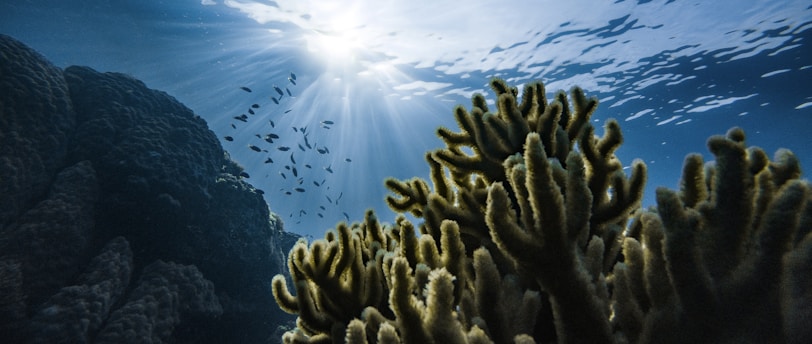
Travelling to coastal and island destinations offers the opportunity to experience marine ecosystems that support extraordinary biodiversity. Coral reefs, mangroves, seagrass meadows, and open ocean environments provide habitat for countless marine species while also contributing to climate regulation and coastal protection. These ecosystems are interconnected and sensitive to environmental pressure, meaning that travel behaviour can influence their long-term health.
Responsible travel does not require eliminating comfort or enjoyment. It often involves becoming aware of how small decisions affect the environment and choosing options that reduce unnecessary pressure on marine ecosystems. Even small adjustments in travel habits can contribute to long-term conservation outcomes when repeated consistently over time.
Understanding how to reduce ocean impact while travelling helps create experiences that feel aligned with respect for nature.
Choosing experiences that respect marine life
Wildlife encounters often represent meaningful highlights of travel experiences. Activities such as snorkelling, diving, or observing marine species can create strong emotional connection with the ocean. Responsible encounters prioritise observation of natural behaviour without chasing, touching, or surrounding animals.
Operators who organise small group experiences often create calmer conditions in the water, reducing noise and disturbance for marine species. Guides who explain environmental guidelines help travellers understand how to behave respectfully in marine environments.
Allowing animals to move freely without pressure supports natural feeding and migration patterns. Responsible wildlife encounters often feel more meaningful because they respect the autonomy of marine life.
Choosing experiences that prioritise awareness contributes to protection of biodiversity.
Reducing single-use plastic consumption
Plastic pollution remains one of the most visible environmental challenges affecting marine ecosystems. Single-use plastic items such as bottles, packaging, and bags can enter waterways and eventually reach the ocean, where they may persist for long periods of time.
Marine species may ingest plastic particles or become entangled in debris, creating risks for wildlife health. Reducing plastic consumption during travel can help minimise contribution to this environmental challenge.
Carrying reusable items such as water bottles or shopping bags can reduce dependence on disposable materials. Small adjustments in consumption habits can help reduce waste generation in coastal destinations.
Collective behavioural change can contribute to reduction of pollution entering marine environments.
Protecting coral reefs and sensitive habitats
Coral reefs grow slowly and are sensitive to physical disturbance. Contact with coral structures can damage fragile organisms that require long periods to recover. Maintaining awareness of body position while snorkelling or diving helps prevent accidental contact with reef surfaces.
Seagrass ecosystems and mangroves also provide important habitat for marine species and contribute to coastal stability. Avoiding disturbance of these environments helps maintain ecological balance.
Some travellers also choose sunscreen products formulated to reduce potential impact on coral ecosystems. Environmental awareness supports protection of habitats that contribute to biodiversity.
Respecting marine habitats allows ecosystems to remain resilient.
Supporting local environmental initiatives
Many coastal destinations include organisations dedicated to protecting marine environments through research, education, and conservation activities. These initiatives often collaborate with scientists, guides, and local communities to develop strategies that support biodiversity.
Tourism can contribute to conservation when local communities benefit economically from protecting natural resources. Supporting local initiatives may encourage long-term environmental stewardship and create incentives for sustainable practices.
Local knowledge often provides valuable insight into ecosystem management and environmental challenges. Collaboration between travellers and local communities can contribute to conservation outcomes.
Responsible travel often values partnerships that support ecological protection.
Managing waste responsibly
Waste management infrastructure may vary between destinations, particularly in remote coastal or island environments. Disposing of waste responsibly helps prevent pollution from entering marine ecosystems.
Avoiding littering and reducing unnecessary packaging helps reduce environmental pressure on fragile environments. Proper disposal of waste contributes to maintaining the natural beauty of coastal areas and protecting marine species.
Reducing waste generation often begins with awareness of consumption patterns during travel. Responsible habits can reduce environmental impact over time.
Small changes in behaviour can contribute to healthier ecosystems.
Being mindful of resource use
Fresh water and energy resources may be limited in certain island destinations. Responsible use of water and electricity helps reduce environmental pressure on local infrastructure and ecosystems.
Simple awareness of consumption habits can contribute to resource conservation. Using resources efficiently supports sustainable tourism practices and reduces strain on local environments.
Responsible travel considers the broader environmental context of the destination. Awareness of resource limitations can encourage more mindful behaviour.
Conservation often involves respecting natural limits of ecosystems.
Climate awareness when travelling
Climate change affects marine ecosystems through rising ocean temperatures, coral bleaching, and changing weather patterns. Travel decisions may influence environmental impact through transportation choices and activity selection.
Choosing experiences that prioritise environmental awareness can support tourism models aligned with conservation values. Education-based experiences often contribute to deeper understanding of environmental challenges.
Climate-conscious travel encourages reflection on how travel behaviour interacts with global environmental systems. Awareness can support more responsible decision-making.
Understanding environmental context contributes to more meaningful travel experiences.
Education creates long-term awareness
Learning about marine ecosystems often deepens appreciation for biodiversity and ecological complexity. Guides and environmental educators frequently provide insight into habitat protection, species behaviour, and conservation challenges.
Education helps travellers understand how ecosystems function and why protection measures are necessary. Knowledge supports more responsible interaction with natural environments.
Understanding ecological relationships can encourage long-term interest in conservation and environmental protection.
Awareness often represents the first step towards behavioural change.
Experiences that include educational context often feel more meaningful and enriching.
Conclusion
Reducing ocean impact while travelling often involves awareness of how everyday decisions influence environmental outcomes. Small adjustments related to wildlife interaction, waste reduction, and resource use can contribute to long-term protection of marine ecosystems.
Responsible travel reflects understanding that natural environments require protection in order to remain resilient. Thoughtful decision-making can support biodiversity and ecological balance.
Travel experiences often feel more meaningful when they align with environmental values.
Through education, awareness, and small intentional actions, travellers can contribute positively to protection of ocean ecosystems.
Responsible tourism continues to evolve as understanding of environmental challenges increases.
FAQ
How can travellers reduce ocean impact?
Travellers can reduce ocean impact by choosing responsible wildlife encounters, reducing plastic use, protecting marine habitats, and supporting conservation initiatives.
Why is plastic pollution harmful to marine ecosystems?
Plastic can be ingested by marine species or cause entanglement, affecting wildlife health and ecosystem stability.
How can travellers protect coral reefs?
Maintaining distance from coral structures and avoiding physical contact helps protect fragile reef organisms.
Does responsible tourism support conservation?
Responsible tourism can support conservation when local communities benefit from protecting ecosystems.
Why is education important for reducing environmental impact?
Understanding ecological systems helps travellers make informed decisions that support environmental protection.
© 2026 Ocean Calling Retreats.
All rights reserved.
Ocean Calling Retreats
Ethical ocean retreats for solo travellers. Small-group experiences built on depth, safety, and meaningful connection.
Certifications
All ocean experiences follow strict ethical guidelines.
Freediving Retreats
Amed, Bali, Indonesia
Coron, Philippines
Mo'orea, French Polynesia