The Importance of Science-Based Marine Tourism
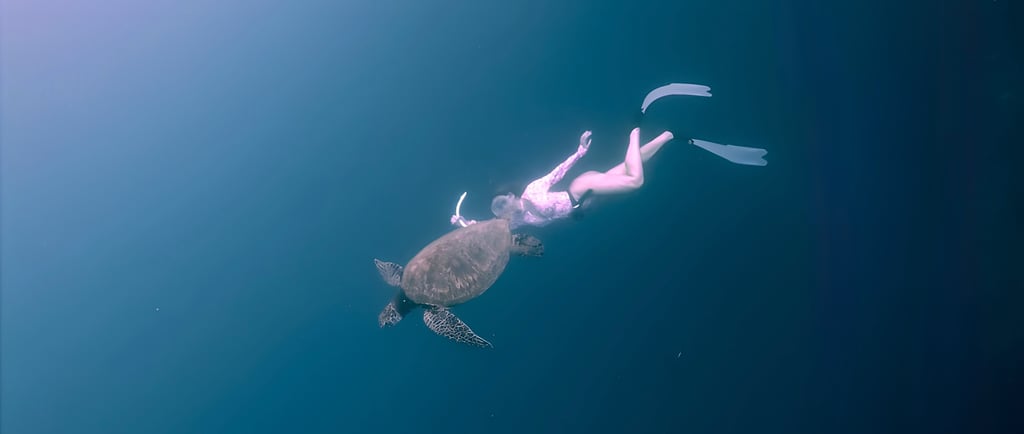
The first time many people see marine life in the wild, something shifts.
It might be the slow movement of a turtle through clear blue water, the quiet presence of a reef alive with colour, or the brief moment when a whale appears at the surface before disappearing again into the deep. These encounters often feel peaceful, almost humbling — a reminder that the ocean is not only beautiful, but deeply complex.
What many travellers do not immediately see is how sensitive these environments are.
Coral reefs grow slowly, sometimes only a few millimetres per year. Some marine species travel long distances to feed or reproduce, following patterns shaped over generations. Even small disruptions can affect these rhythms. This is where science-based marine tourism becomes essential.
Marine biologists and researchers spend years studying animal behaviour and ocean ecosystems. Their work helps define responsible wildlife encounter guidelines designed to protect marine life while still allowing people to experience the ocean in a meaningful way. Distances are recommended, group sizes are limited, and certain areas are protected during important periods such as breeding or migration seasons.
These measures are not about restricting experiences. They help ensure that encounters remain possible in the future.
Ethical ocean travel often feels more memorable when wildlife behaves naturally. Observing a dolphin swimming freely or watching reef life without interference creates a sense of connection that feels authentic and respectful. Responsible wildlife encounters allow marine animals to remain undisturbed, supporting both their wellbeing and the long-term health of ocean ecosystems.
Science-based marine tourism also supports collaboration. Many ethical diving operators and conservation-focused travel providers work closely with local communities and researchers to improve practices over time. Knowledge evolves, and responsible tourism practices evolve with it.
For travellers, this approach offers reassurance. Choosing sustainable ocean travel experiences guided by research helps reduce environmental impact while supporting marine conservation efforts. Simple awareness can influence meaningful outcomes — not perfectly, but intentionally.
The ocean does not need us to have all the answers. It asks only for care, curiosity, and respect.
When travel decisions are informed by science, the experience often becomes deeper. We begin to understand that protecting marine life also protects the possibility of wonder — for ourselves, and for those who will discover the ocean in the future.
Science-based marine tourism allows exploration to exist alongside responsibility, creating experiences that feel both inspiring and quietly supportive of the ecosystems that make them possible.