What Makes a Sustainable Ocean Retreat?

The first time I joined an ocean retreat, I thought sustainability would be visible everywhere.
I imagined obvious signs — reusable bottles, eco-lodges, perhaps a short talk about protecting the environment. I expected something clearly labelled sustainable.
Instead, what I noticed first was something much quieter.
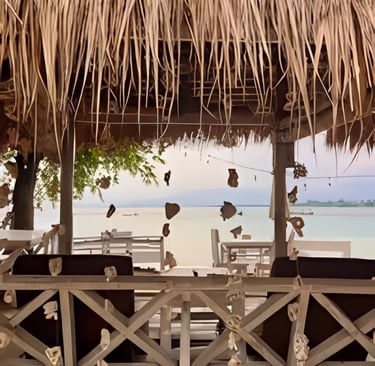
The group was small. The pace felt slower than typical travel itineraries. There was time to simply observe the ocean without needing to constantly move to the next activity. The guides spoke softly about marine life, not as an attraction, but as something we were temporarily visiting.
No one promised guaranteed sightings. No one tried to control the experience.
One morning, we entered the water just after sunrise. The sea was calm, almost still. We did not immediately see anything dramatic — no large animals, no extraordinary moment designed for a photograph. And yet, the experience felt complete. We were simply present in the ocean, aware of the environment, moving carefully within it.
That was the first time I understood that sustainable ocean travel is often defined by what does not happen.
A sustainable ocean retreat does not try to force nature to perform. It creates conditions where responsible wildlife encounters can happen naturally, guided by patience and respect. Ethical ocean travel considers how each activity may affect marine ecosystems, local communities, and the long-term wellbeing of the environment.
Often, sustainability is shaped through many small decisions. Choosing ethical diving operators who respect distance guidelines. Working with local partners who understand seasonal patterns of marine life. Limiting group sizes to reduce environmental impact. Allowing flexible schedules that adapt to ocean conditions rather than pushing against them.
Science-based marine tourism also plays an important role. Marine biologists, conservation experts, and local researchers help define responsible tourism practices that support marine life protection. Their insights guide decisions about when to enter the water, how to observe wildlife, and how to reduce disruption to delicate ecosystems such as coral reefs and migration routes.
Sustainable travel experiences also consider the people connected to the ocean. Supporting local communities, respecting cultural knowledge, and collaborating with conservation initiatives helps create a more balanced relationship between tourism and marine conservation.
Over time, I realised that a sustainable ocean retreat does not feel restrictive. It often feels more intentional, more spacious, more connected.
Ethical marine tourism is rarely about being perfect. It is about remaining aware that our presence has an impact, and choosing to travel responsibly where possible.
A sustainable ocean retreat creates space for meaningful experiences while helping protect the ecosystems that make these moments possible.
And sometimes, that quiet awareness becomes the most valuable part of the journey.