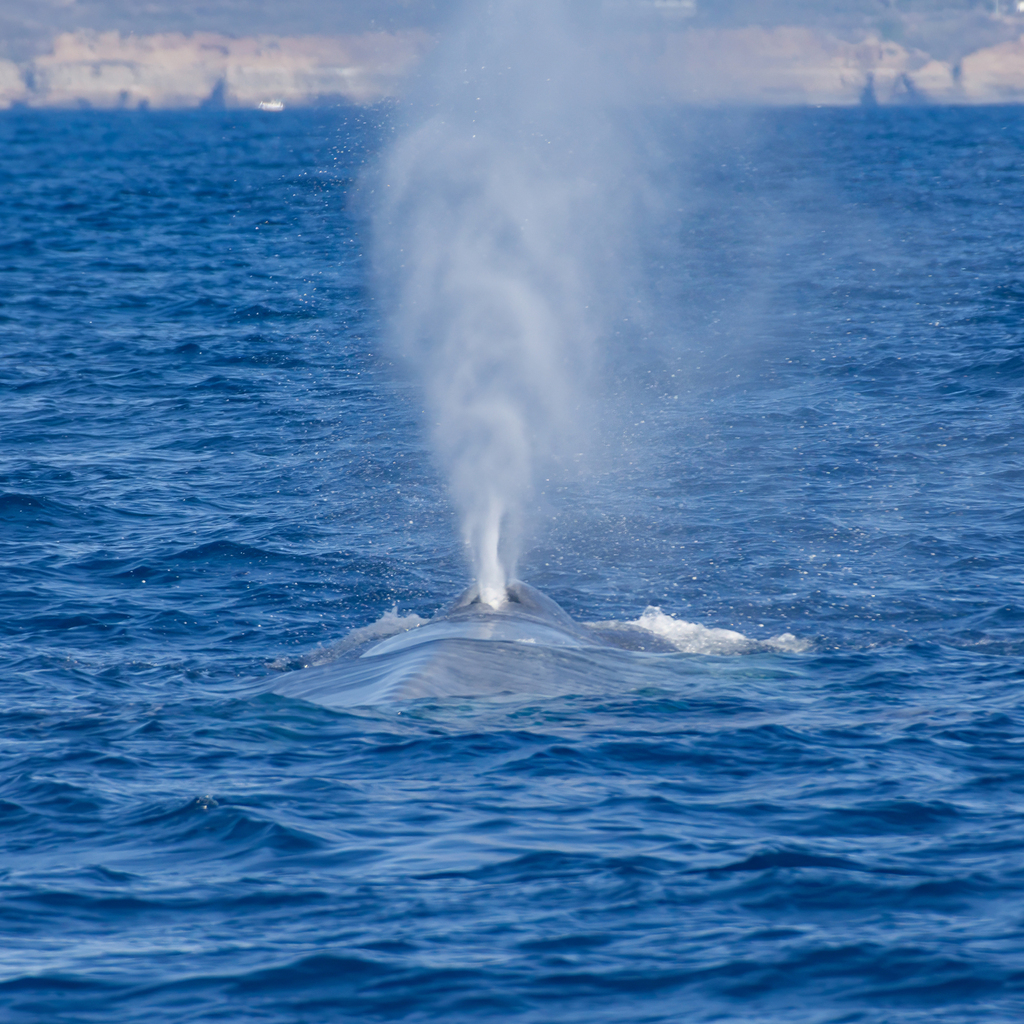
Ethical Whale Watching in Sri Lanka: Blue Whale Season
Blue whales live off Sri Lanka all year, and the boats know it. Here is what ethical whale watching in Sri Lanka really looks like, coast by coast and season by season.
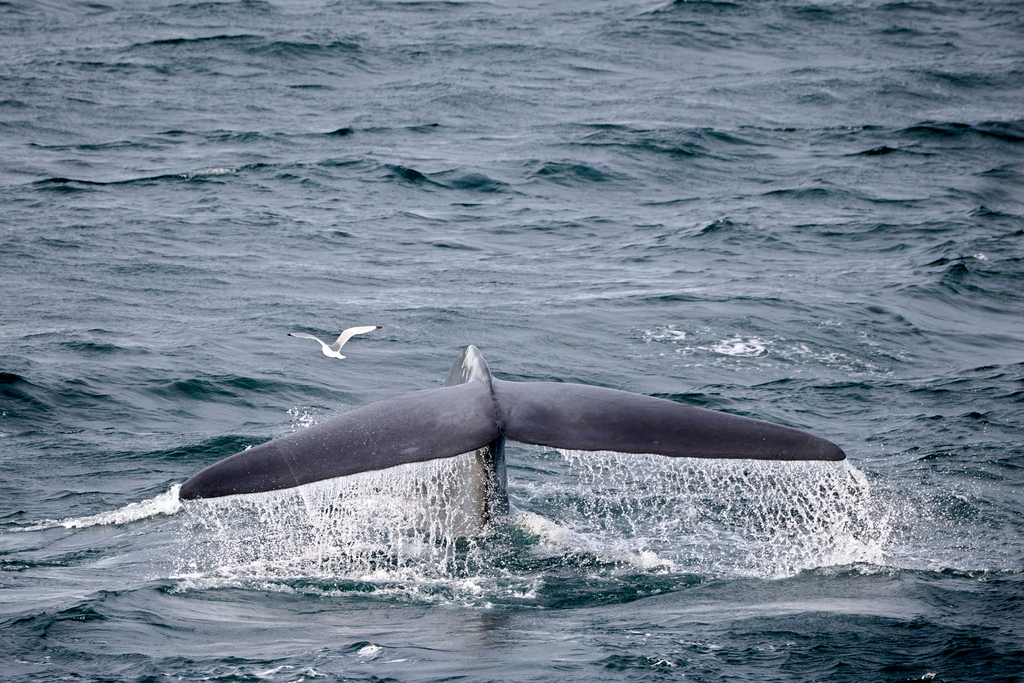
What does ethical whale watching in Sri Lanka look like?
Picture twenty boats leaving the same harbour at dawn, all racing towards the same blow on the horizon. Travellers in Mirissa have described exactly this scene, and it is the uncomfortable side of one of the great wildlife sights on Earth. Sri Lanka is one of the few places where the largest animal that has ever lived can be seen a boat ride from the coast. In short, ethical whale watching here means a licensed operator who respects the legal distances (engines off at 100 metres, never closer), stays away from crowds of boats, and never offers swimming or touching. From the shore, doing it well and doing it badly can look almost the same. On the water, they are very different mornings.
Two coasts, two seasons
Blue whales are seen off the south coast near Mirissa and off the northeast coast near Trincomalee, at different times of year, as the monsoons change sea conditions. Sources give the months differently. One travel guide gives roughly December to March or April for Mirissa and roughly May to August for Trincomalee, while older scientific surveys recorded blue whales off Trincomalee between January and April. So treat any month range as a guide, and ask local operators what the season looks like right now. Kalpitiya, on the northwest coast, is a third area for whale and dolphin watching.
What makes these whales so special to scientists is that they seem not to migrate. Work led by Sri Lankan marine biologist Asha de Vos, founder of the marine research and conservation organisation Oceanswell, suggests this population stays all year in the northern Indian Ocean, in the waters between Sri Lanka, Oman and the Maldives. That would make them the only known non-migratory blue whales. They are also reported to eat shrimp, not the krill blue whales eat elsewhere. Researchers describe the northern Indian Ocean blue whale as smaller than other blue whales, with a different breeding season and different feeding behaviour.
The rules that exist, and the gap between rules and practice
Sri Lanka does have a framework. Whale watching is regulated through the Sea Mammals (Observation, Regulation and Control) Regulations, No. 1 of 2012, made under the Fauna and Flora Protection Ordinance. Boats that carry visitors to sea mammal areas need a licence from the Director-General of Wildlife Conservation. According to press reports from the time, vessels must slow down from 400 metres, switch off engines 100 metres from a whale, and never come closer than 100 metres. For other sea mammals the limit is 50 metres. We could not read the operational clauses in the official gazette ourselves, so check the current rule before you travel.
Here is the honest part. Good rules on paper and good behaviour on the water are two different things. In 2022, Sri Lanka's Whale Watching Boat Owners' Association told the newspaper The Morning that some small operators were chasing whales and letting tourists touch them, and that this was driving whales away from the Mirissa area. According to the same report, diving with or touching whales is illegal under the Ordinance. Before that, conservation groups had already flagged more unregistered boats, untrained guides and boats speeding near whales. We did not find a recent official enforcement report, so we cannot tell you how much has changed. It means a lot of the responsibility sits with the traveller's choice of operator.
Why this matters for an endangered whale
The blue whale is listed as Endangered on the IUCN Red List, a species still recovering from twentieth-century commercial whaling. For Sri Lanka's whales, Asha de Vos has said that ship strikes are now the most common threat in the northern Indian Ocean, and researchers at UCLA and elsewhere have worked on the idea of moving shipping lanes off the south coast to reduce collisions. Tourist boats add disturbance on top of that. A whale that keeps changing direction to avoid boats is spending energy it needs for feeding. Every boat around it shares that responsibility, whether the brochure says so or not.
What ethical whale watching in Sri Lanka really requires
In practice, it comes down to a few concrete things you can check before you book, instead of trusting the marketing:
A licence, and a crew who talk about distance limits without being asked. If the plan is to "get you close", that is a warning sign, not a selling point. Few boats around any one whale, and patience. A responsible crew holds back, cuts the engine and lets the whale's own movement decide what happens next, instead of repositioning for a better angle. No swimming with, diving with or touching the whales. Where that happens, it happens outside the law. And a crew who can talk about the whales, not only find them: feeding, travelling or resting, and what the season looks like that particular month. Our article on Sri Lanka's whale watching law goes into the rules in more detail.
What a good morning on the water feels like
You usually notice the difference between a rushed boat and a well-run one quite quickly. A good crew heads out at a calm pace, keeps a spotter looking far ahead instead of only reacting once a whale is close, and treats a sighting as something to approach slowly and leave slowly. Not a target to sprint towards and then crowd. Trips can go well offshore (the IWC notes tours going up to about 20 kilometres out), so expect a long morning and open-ocean swell, even on a clear day. Early hours usually give better light for spotting a blow on the horizon.
A few simple things make that morning kinder for you. A roll-top dry bag keeps your phone, a warm layer and seasickness tablets dry when spray comes over the side. A long-sleeve rash guard protects you from hours of sun on an open deck. And a refillable bottle from a simple tropical travel kit means one less plastic bottle on the boat.
The practical side
If blue whales are your goal, choosing the right coast at the right time matters as much as choosing the operator, so check current season information for Mirissa and Trincomalee before you book. Mirissa sits close to the southern beach towns and is the better-known base. Trincomalee is a longer journey from Colombo. Because whale watching in Sri Lanka has grown so fast, a few direct questions usually sort the careful operators from the rest: are you licensed, how many boats usually gather, and what will and won't you do if a whale comes close? And remember that flying long-haul to see whales has its own environmental cost. Staying longer and choosing one good trip over several rushed ones is a fair way to respect that.
Wildlife encounters are unpredictable. Responsible whale watching should always follow local regulations and experienced professional guidance.
Ocean Calling does not run a trip to Sri Lanka. This is a story we wanted to tell because the place matters. If you want to know how we think about these choices, our piece on when guides choose not to enter the water explains it, and how to choose ethical wildlife experiences answers the questions most guests ask before booking anything.
If this made you curious about meeting whales in a slower, quieter way, you can explore our retreats.
Questions people ask
When is blue whale season in Sri Lanka?
Sources differ. One travel guide gives roughly December to March or April off Mirissa and roughly May to August off Trincomalee. Check current local information before you book.
What distance must boats keep from whales in Sri Lanka?
Press reports of the Sea Mammals Regulations No. 1 of 2012 say boats must slow down from 400 metres, switch off engines at 100 metres and never come closer than 100 metres to a whale, or 50 metres for other sea mammals. Check the current rule before you travel.
Can you swim with blue whales in Sri Lanka?
There is no legal swim programme. According to a 2022 report in The Morning, diving with or touching whales is illegal under the Fauna and Flora Protection Ordinance. Avoid any operator who offers it.
Why are Sri Lanka's blue whales special?
Research led by Asha de Vos suggests they stay all year in the northern Indian Ocean and feed on shrimp, which would make them the only known non-migratory blue whales.
What is the biggest threat to Sri Lanka's blue whales?
Asha de Vos has said ship strikes are now the most common threat to blue whales in the northern Indian Ocean. Crowded or careless tourist boats add pressure on top of that.
How do I choose an ethical whale watching operator in Sri Lanka?
Ask whether the boat is licensed, whether the crew follows the distance rules, how many boats usually gather around a whale, and what they do if a whale moves away. Avoid anyone who promises to get you close or in the water.
Wildlife encounters are never guaranteed and never forced. Ocean Calling works only with vetted, ethical local operators, and every animal is free to approach, or not, entirely on its own terms.
Sources & further reading
- Sea Mammals (Observation, Regulation and Control) Regulations, No. 1 of 2012. ECOLEX / FAOLEX.
- Sea Mammals (Observation, Regulation and Control) Regulations, No. 1 of 2012 (gazette text). FAOLEX, FAO.
- Strict guidelines set for whale and dolphin watching. The Sunday Times (Sri Lanka), 2012.
- Sri Lanka country profile. IWC Whale Watching Handbook, International Whaling Commission.
- This marine biologist discovered a unique blue whale population in Sri Lanka. Science News.
- Protecting the northern Indian Ocean blue whale through shifting shipping lanes off the coast of Sri Lanka. UCLA Institute of the Environment and Sustainability.
- Photos of rare blue whales inspire conservation. The Pew Charitable Trusts, 2017.
- Harassed whales leaving Mirissa seas. The Morning, 2022.
- Sri Lanka's whales (seasons in Mirissa and Trincomalee). SilverKris, Singapore Airlines.
- Why we regret whale watching in Mirissa, Sri Lanka. Atlas & Boots.
Further reading on Ocean Calling: More from the journal · Wildlife & the law · See the retreats · Ocean Atlas
Swim with humpback whales in Moʻorea: an ethical whale retreat
Whale encounter retreat · Moʻorea, French Polynesia
Time in the blue, on the whales’ terms. If you love whales, this is our whale trip: small group, slow pace, on the animals’ terms.
Explore in the Ocean Atlas
Places in this article
Animals in this article